
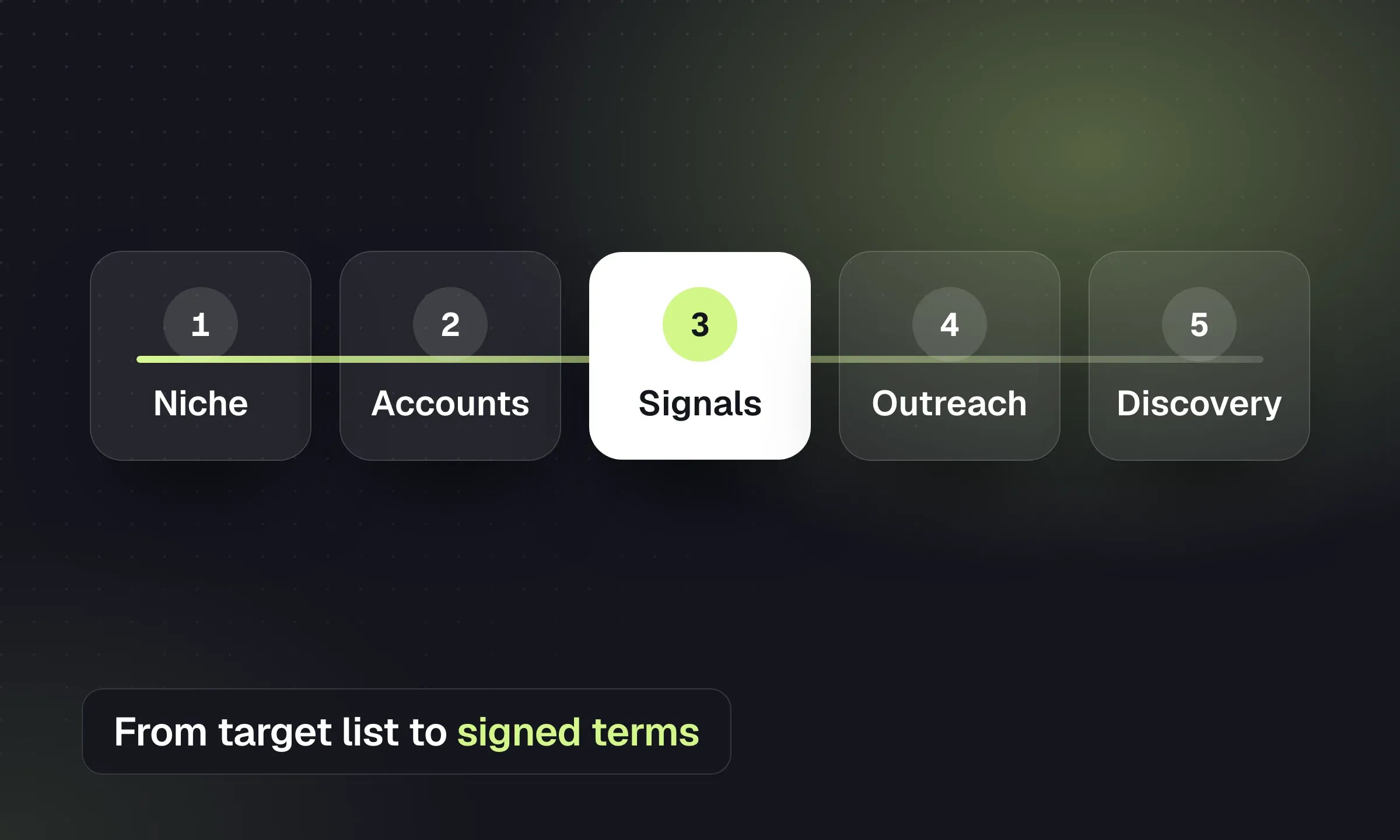
How to Find Clients for a Recruitment Agency
Build a target list, act on hiring signals, qualify the brief and turn a first placement into repeat work.
The Longlist blog
Win clients, source candidates and run your agency. Start with a guide, script or free template.
Search titles and summaries, or browse by topic below.
34 guides8 free templates
Build a target list, act on hiring signals, qualify the brief and turn a first placement into repeat work.
Browse by topic
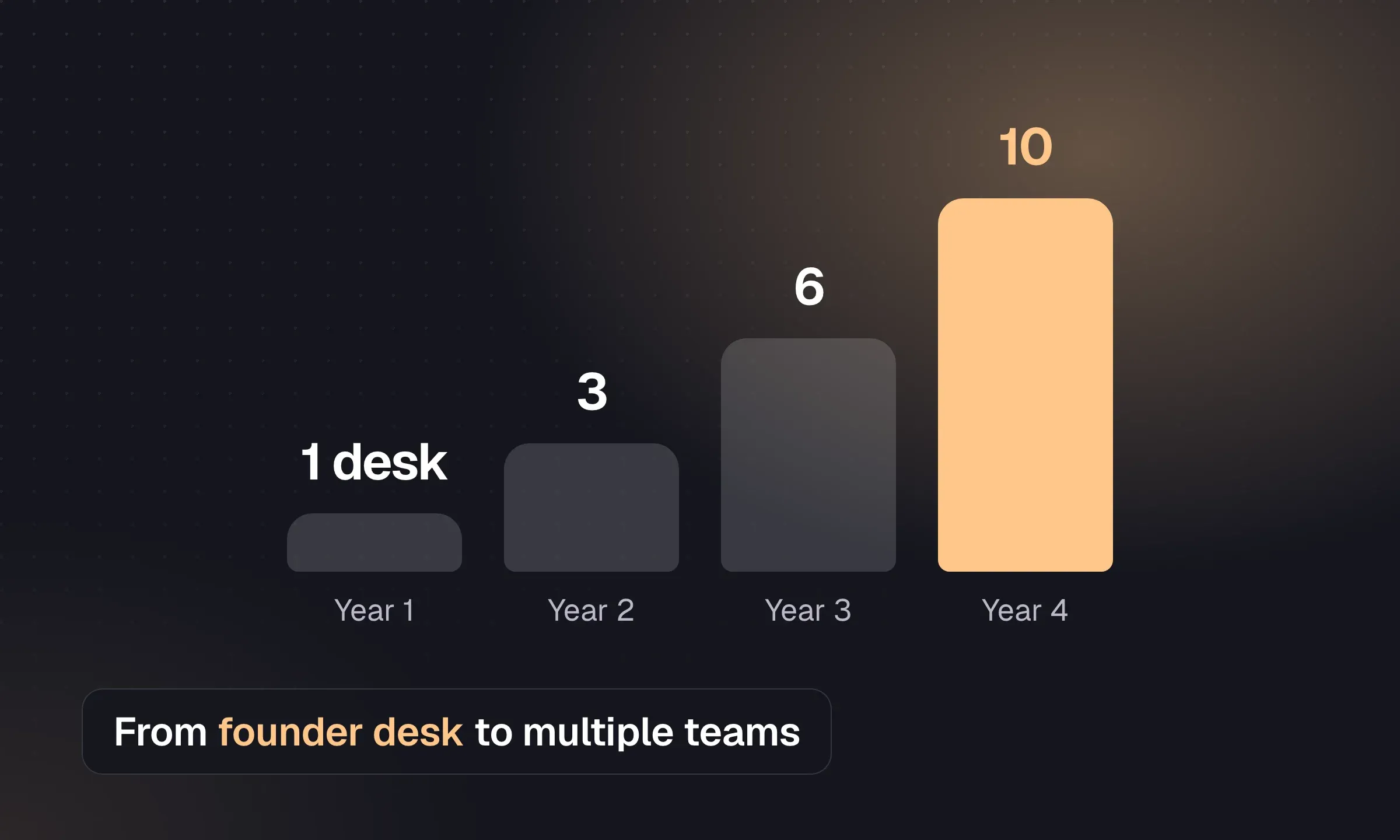
Plan your first hire, split desks and build a team that can bill without the founder managing every placement.
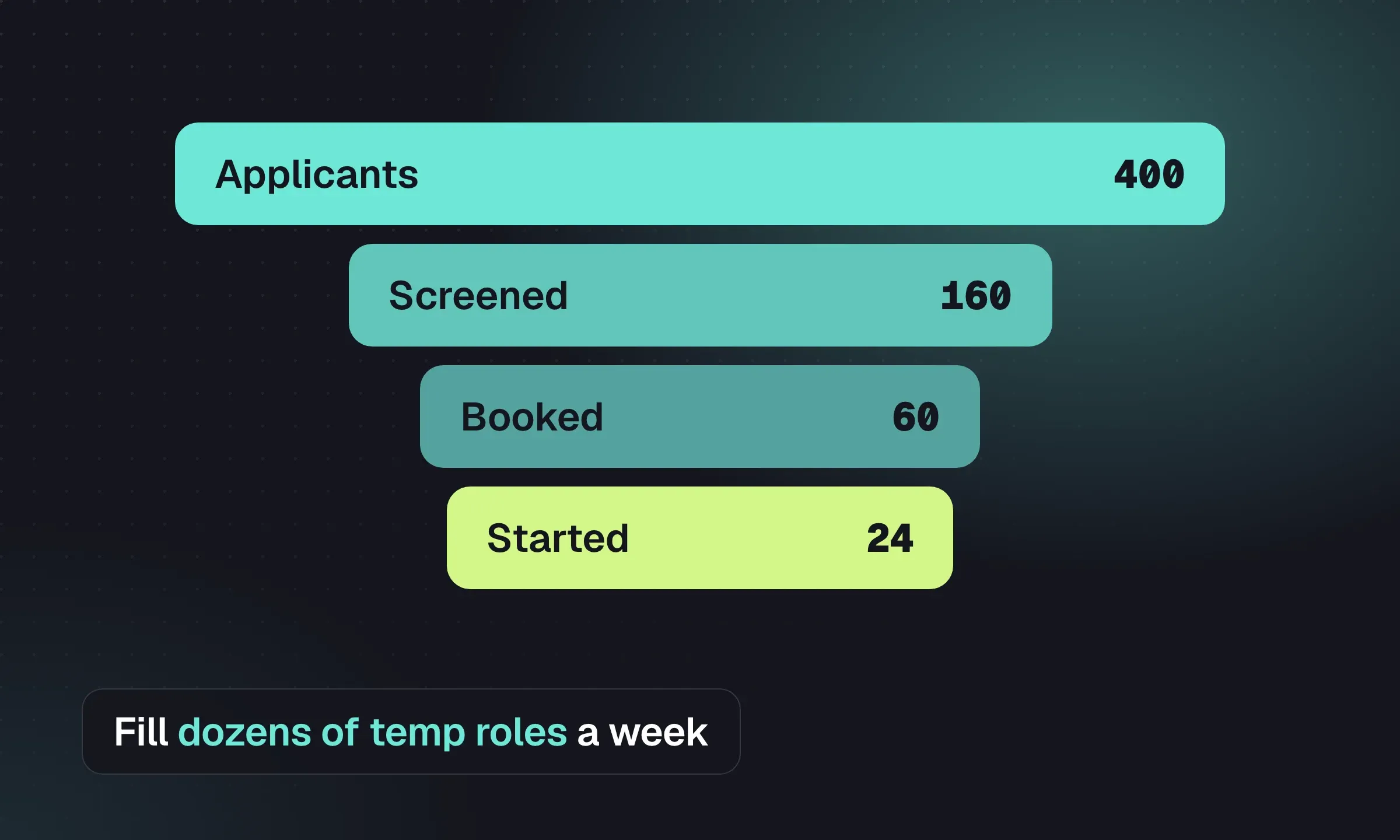
Work backwards from required starts, screen consistently and improve attendance with clear booking and reminder routines.
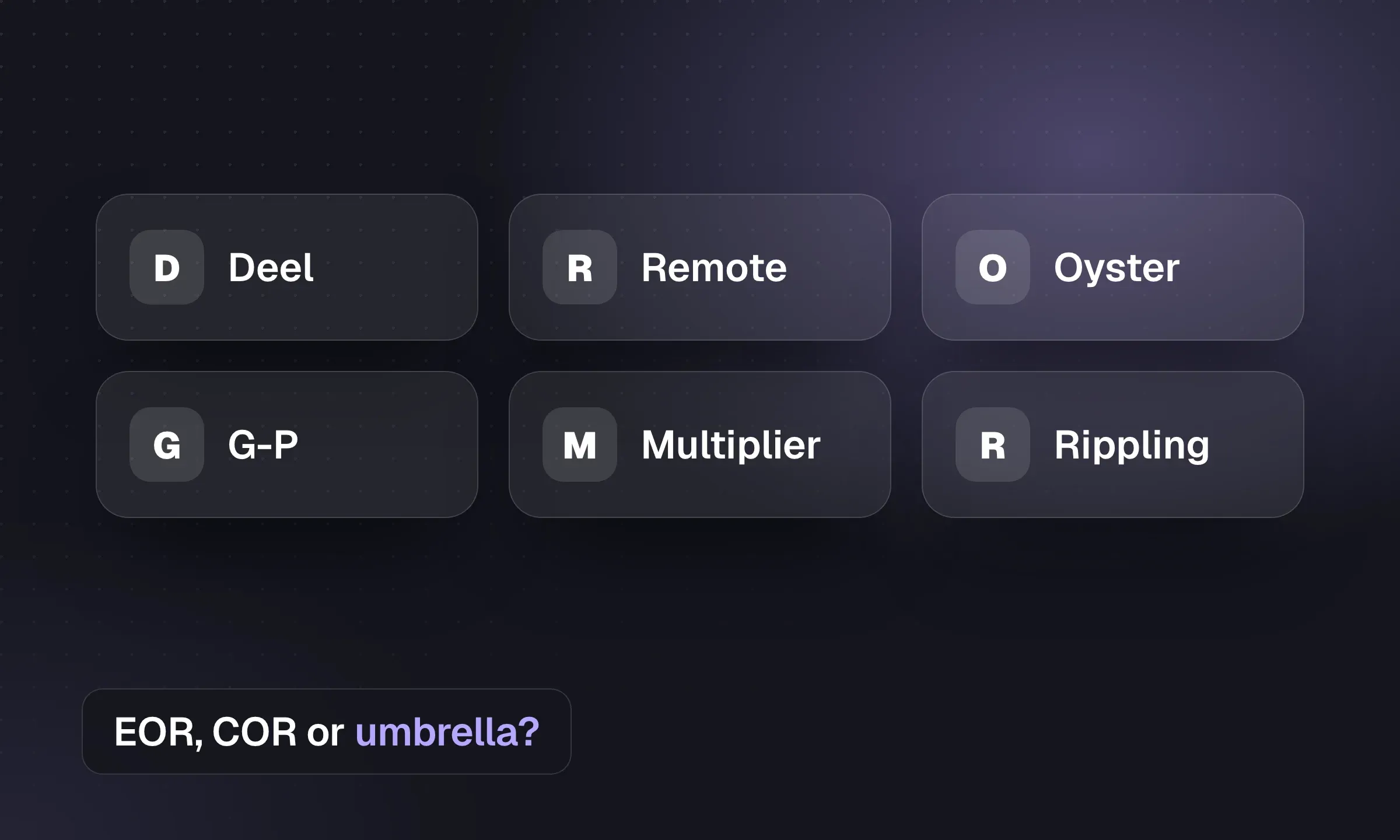
Compare contractor, COR and EOR arrangements, provider fees and the effect on your placement margin.
Choose boards by role and geography, check agency eligibility and measure cost per qualified applicant and placement.
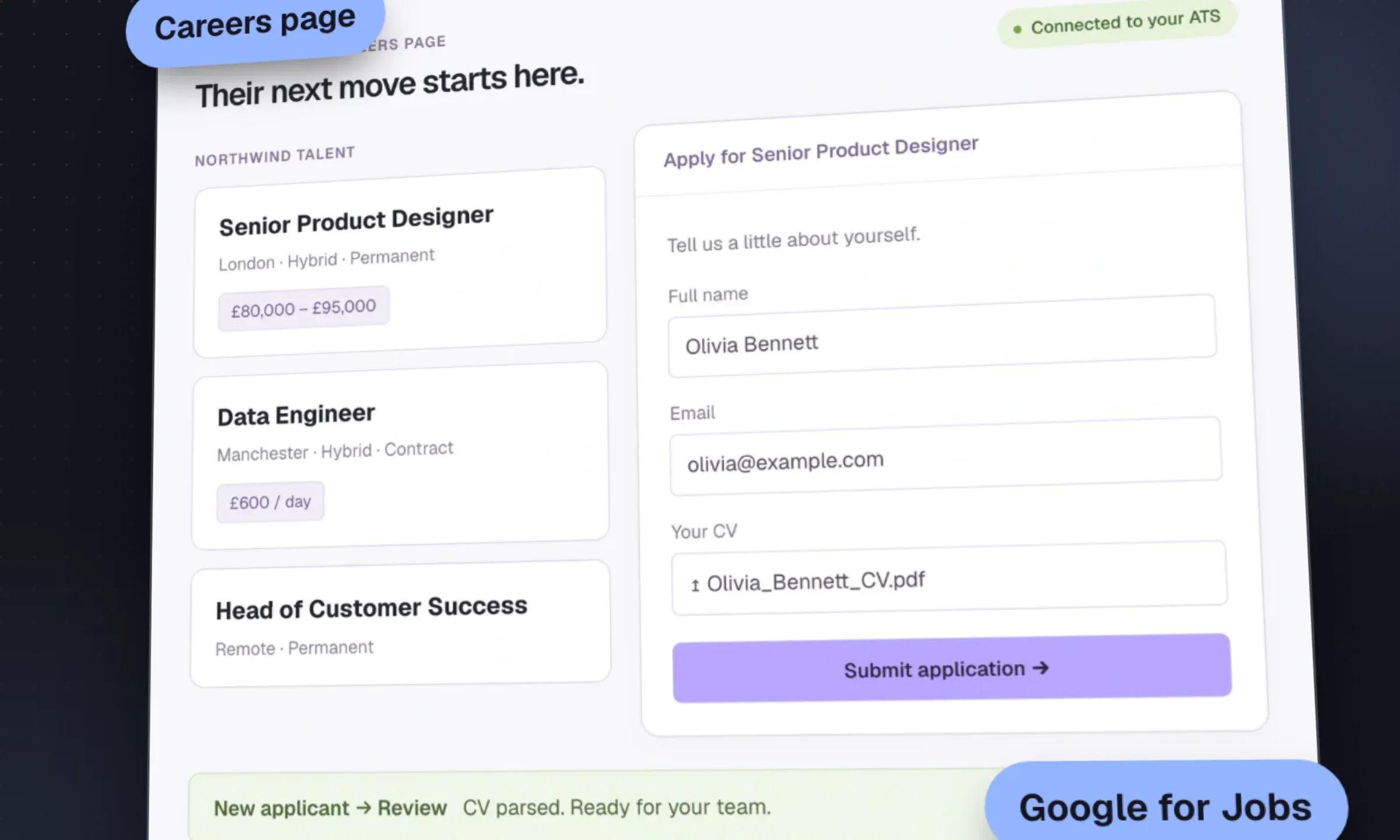
Match careers sites, job distribution, candidate nurture and messaging tools to the work your agency needs done.
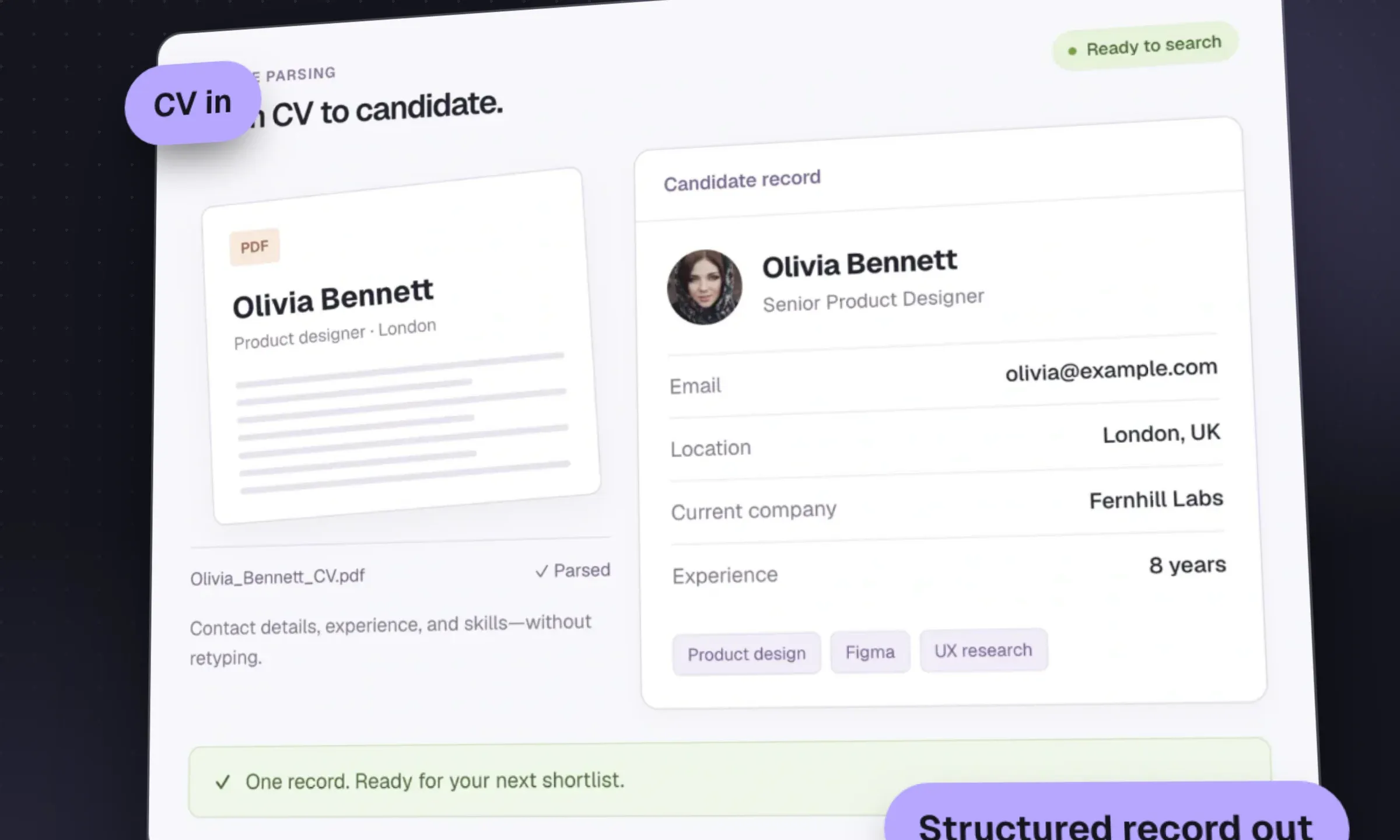
Choose a built-in parser or an API, then test extraction errors, duplicate handling and cleanup time on your own CVs.
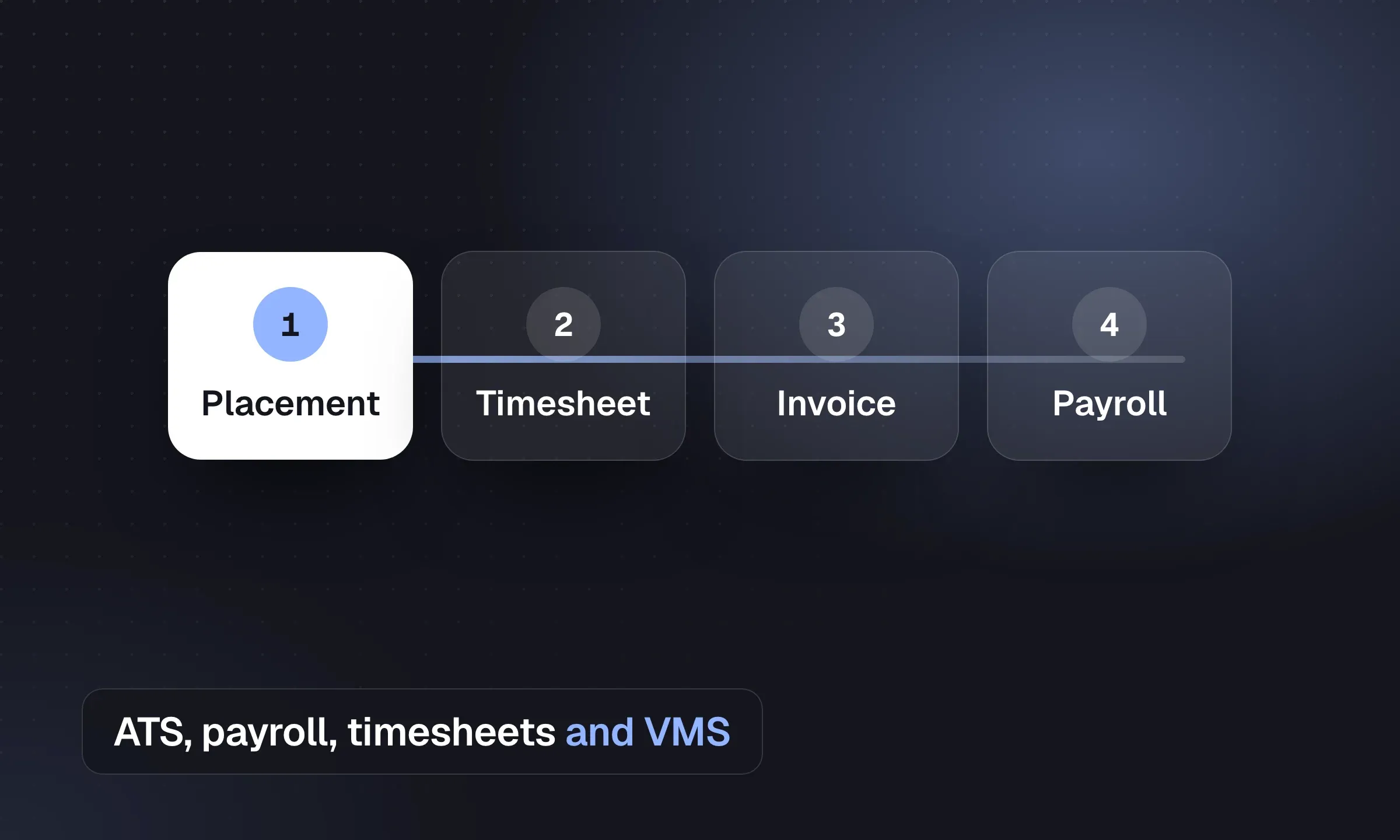
Compare staffing platforms by who owns onboarding, timesheets, payroll and billing—not just the ATS feature list.
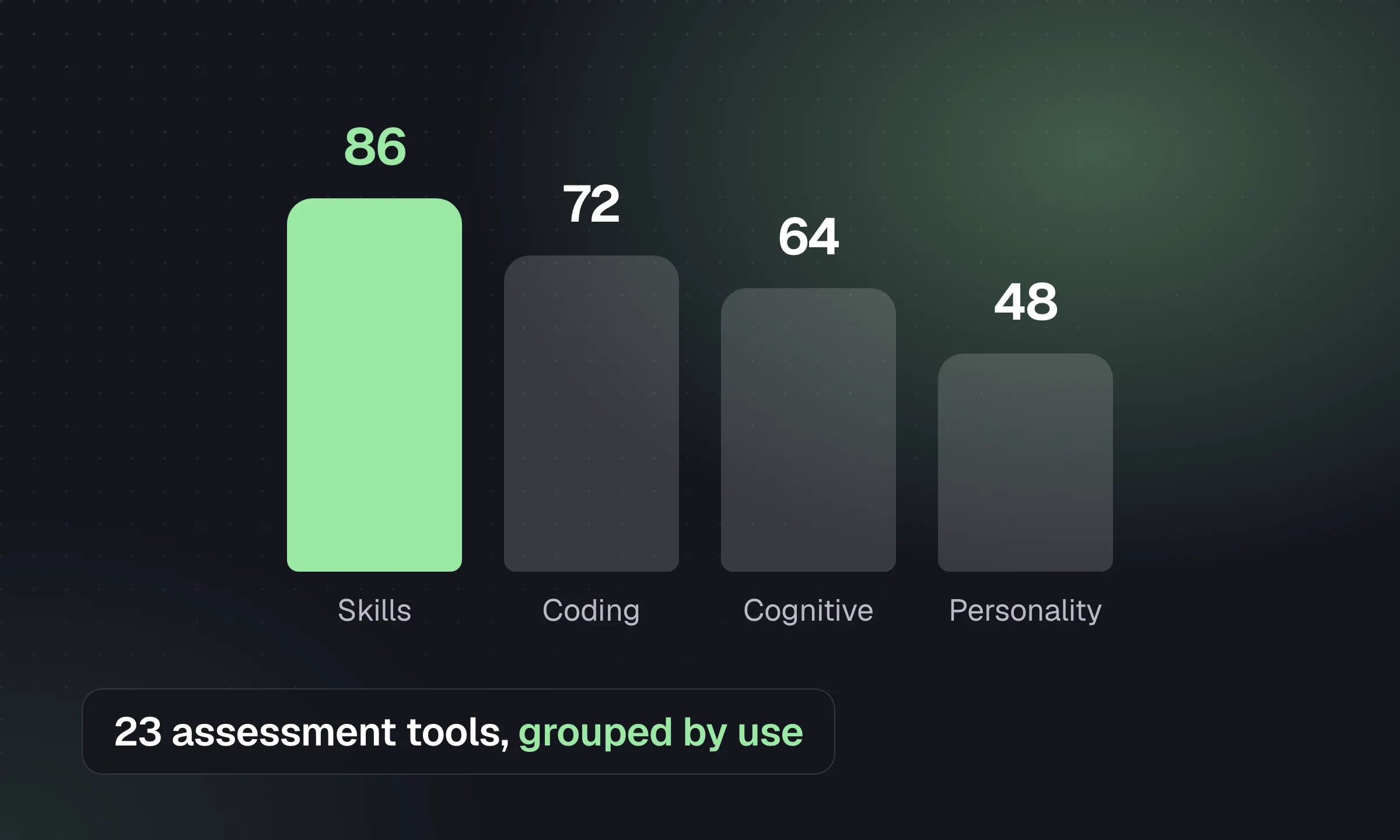
Choose tests by the evidence clients need, with starting options for skills, coding, personality and video assessments.
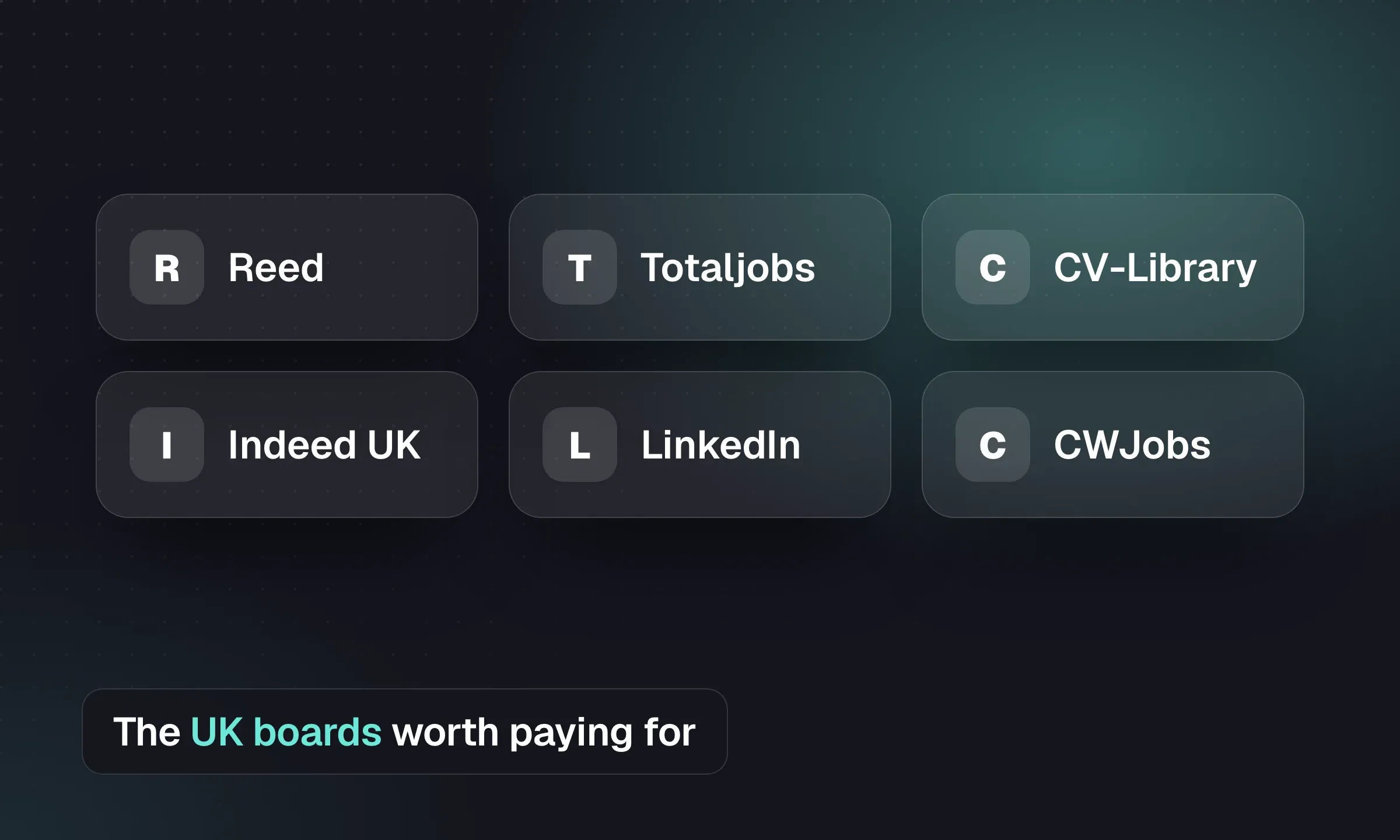
Compare UK adverts and CV databases, agency eligibility and a practical starting mix for each type of desk.
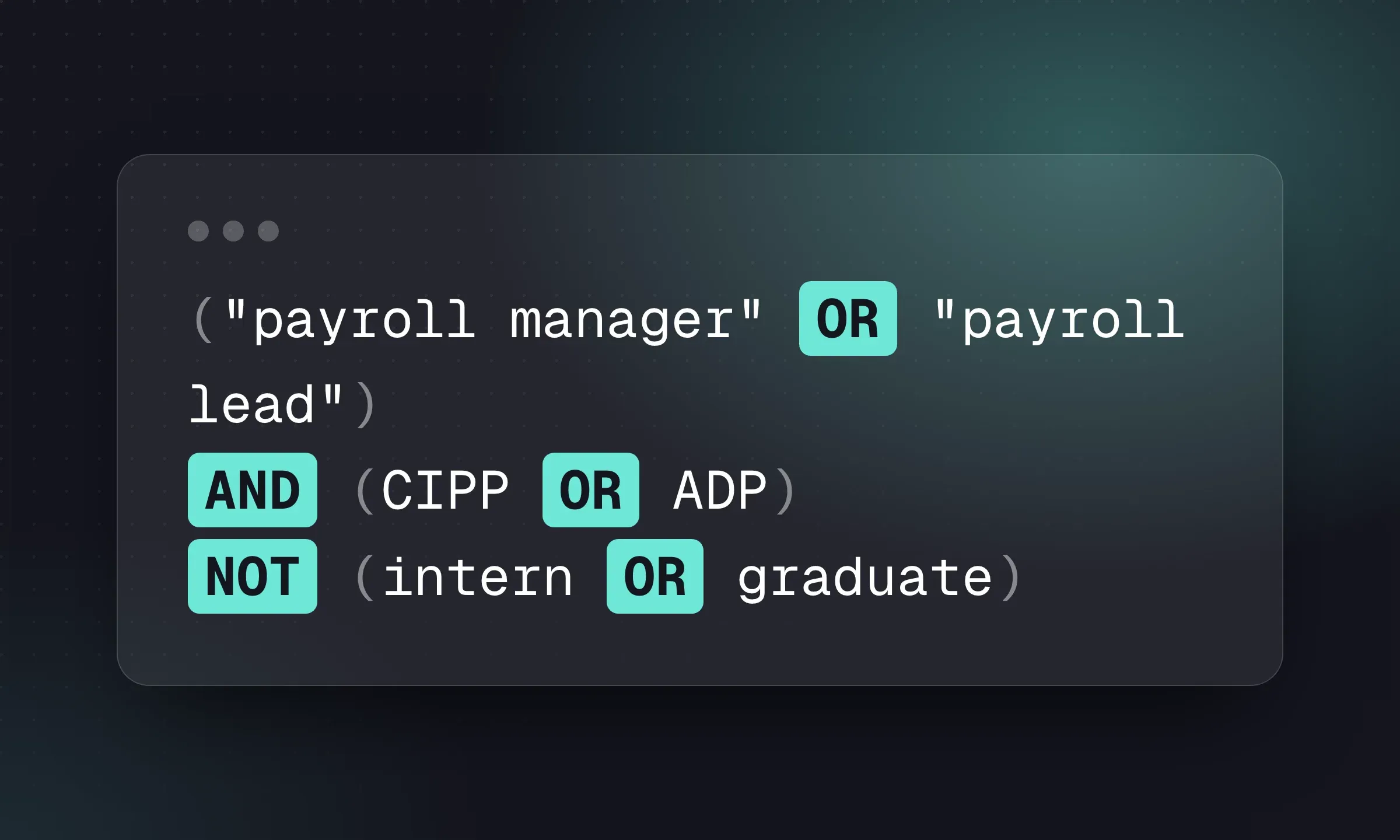
Copy a role-specific search, then adapt AND, OR, quotes and exclusions to the platform you use.
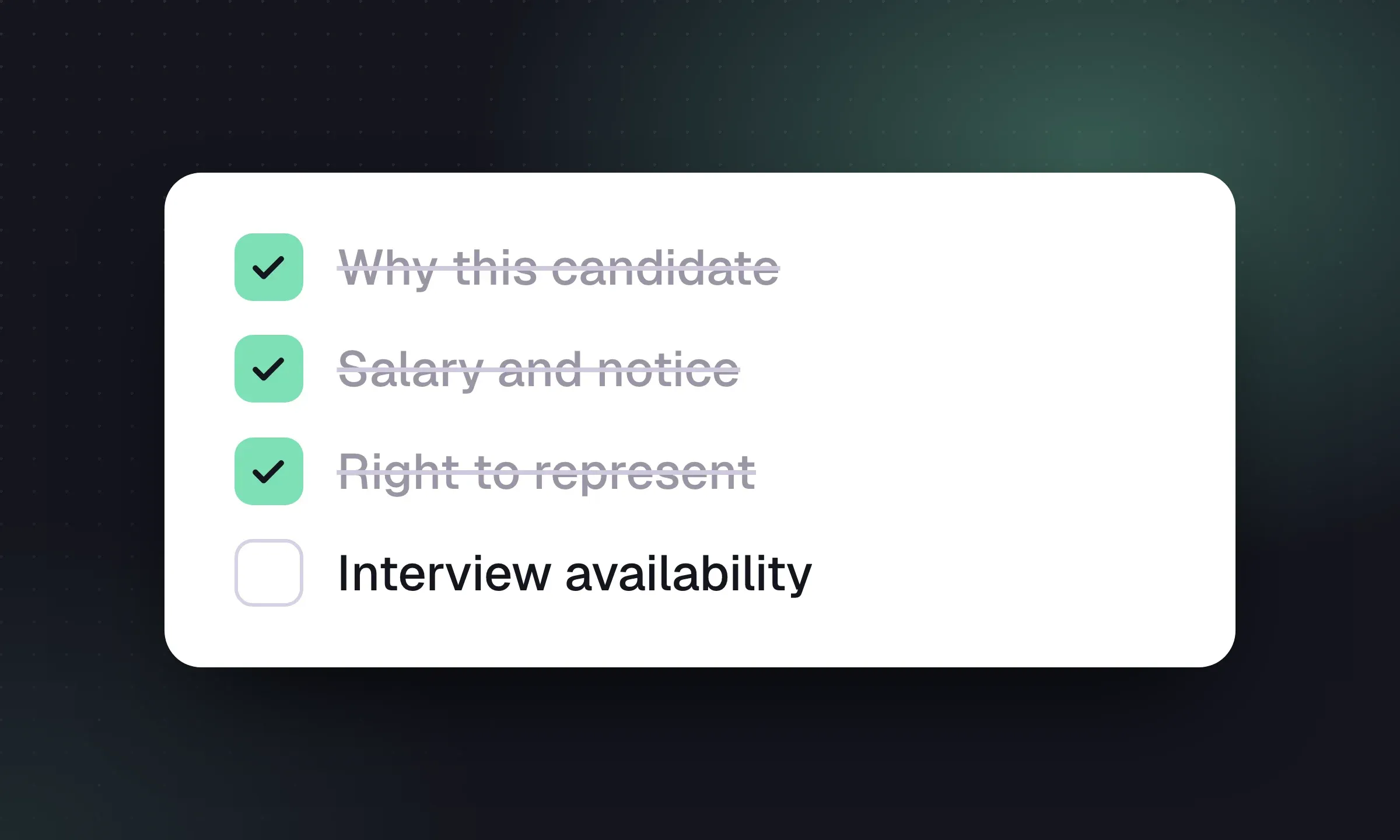
Use a one-page cover summary, worked examples and short client emails to make each submission easy to assess.
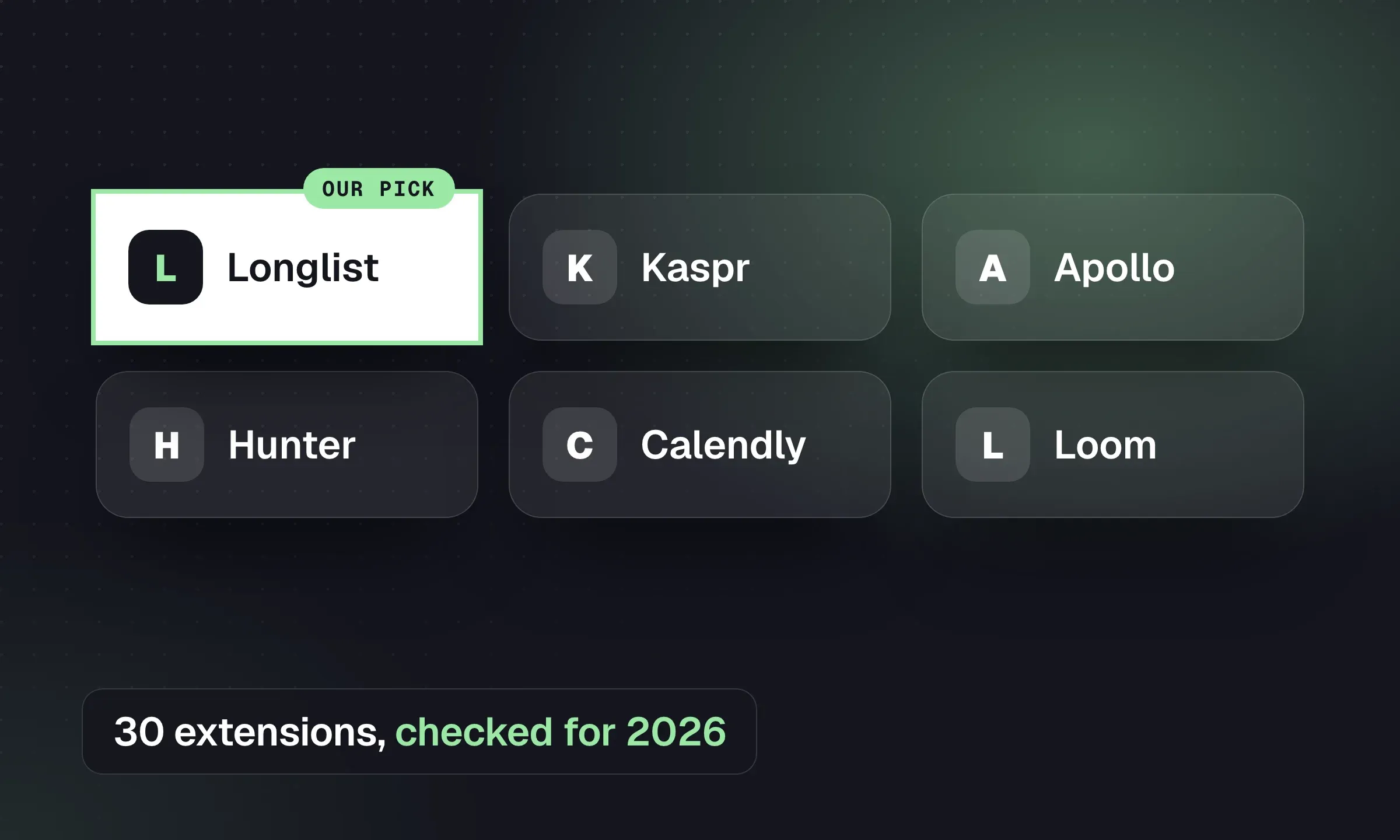
Pick browser tools for contact finding, CRM capture, email and productivity, with permissions and platform-policy checks.
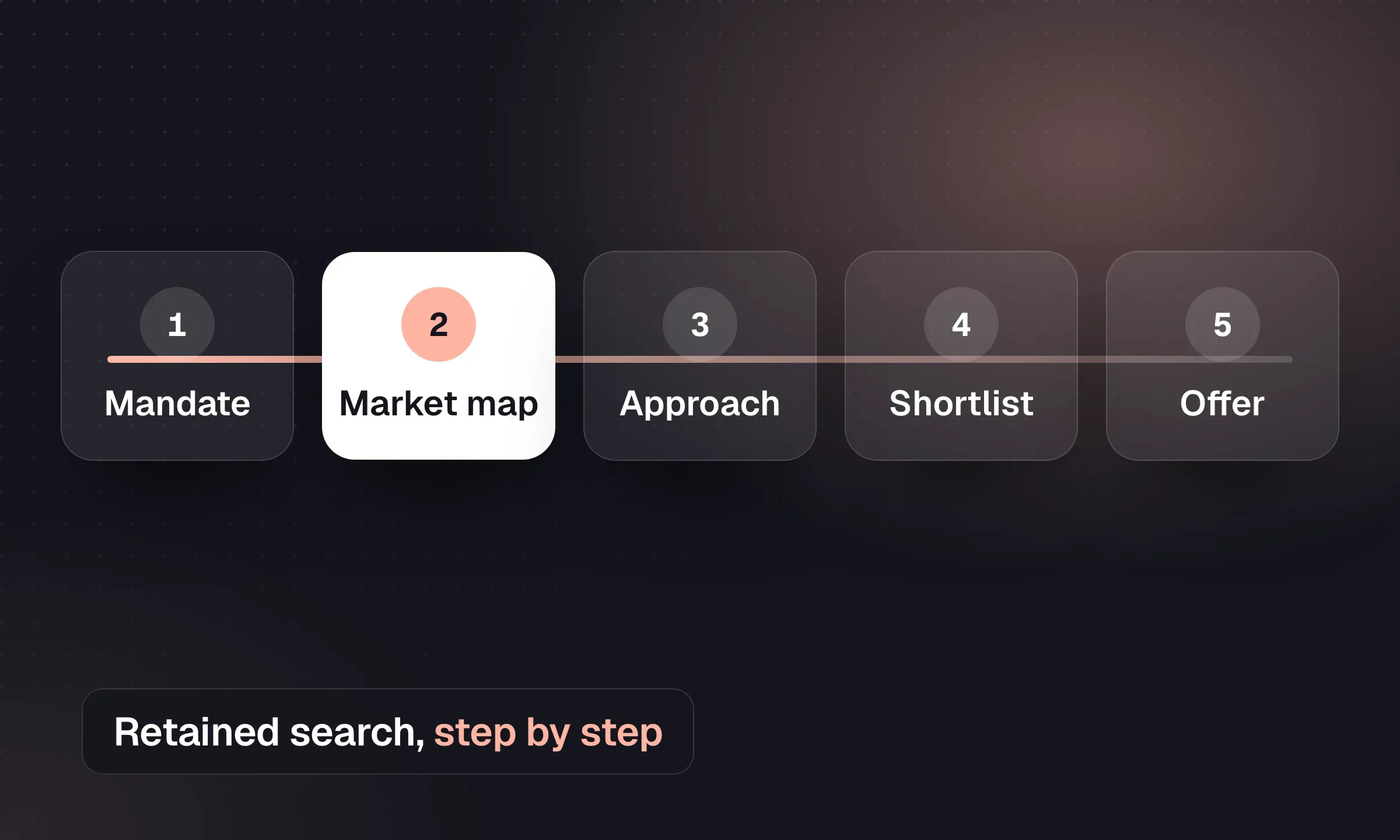
Run a retained mandate from briefing and market mapping to assessment, references, offer and onboarding.

Check which channels are free for agencies, which exclude third-party recruiters and how to qualify for Google for Jobs.
Build a target list, act on hiring signals, qualify the brief and turn a first placement into repeat work.
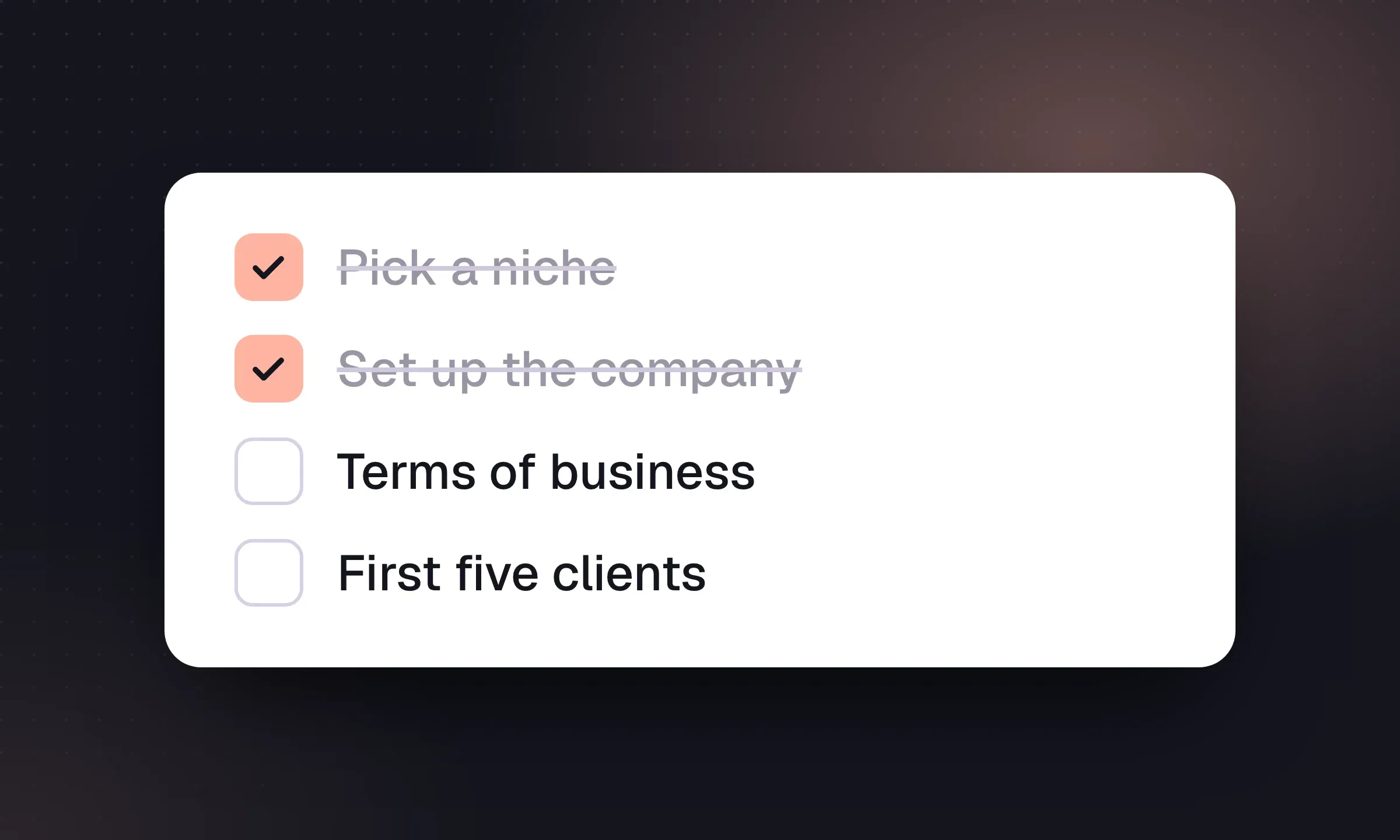
Choose a niche and business model, fund the cash gap and complete the setup needed before your first placement.
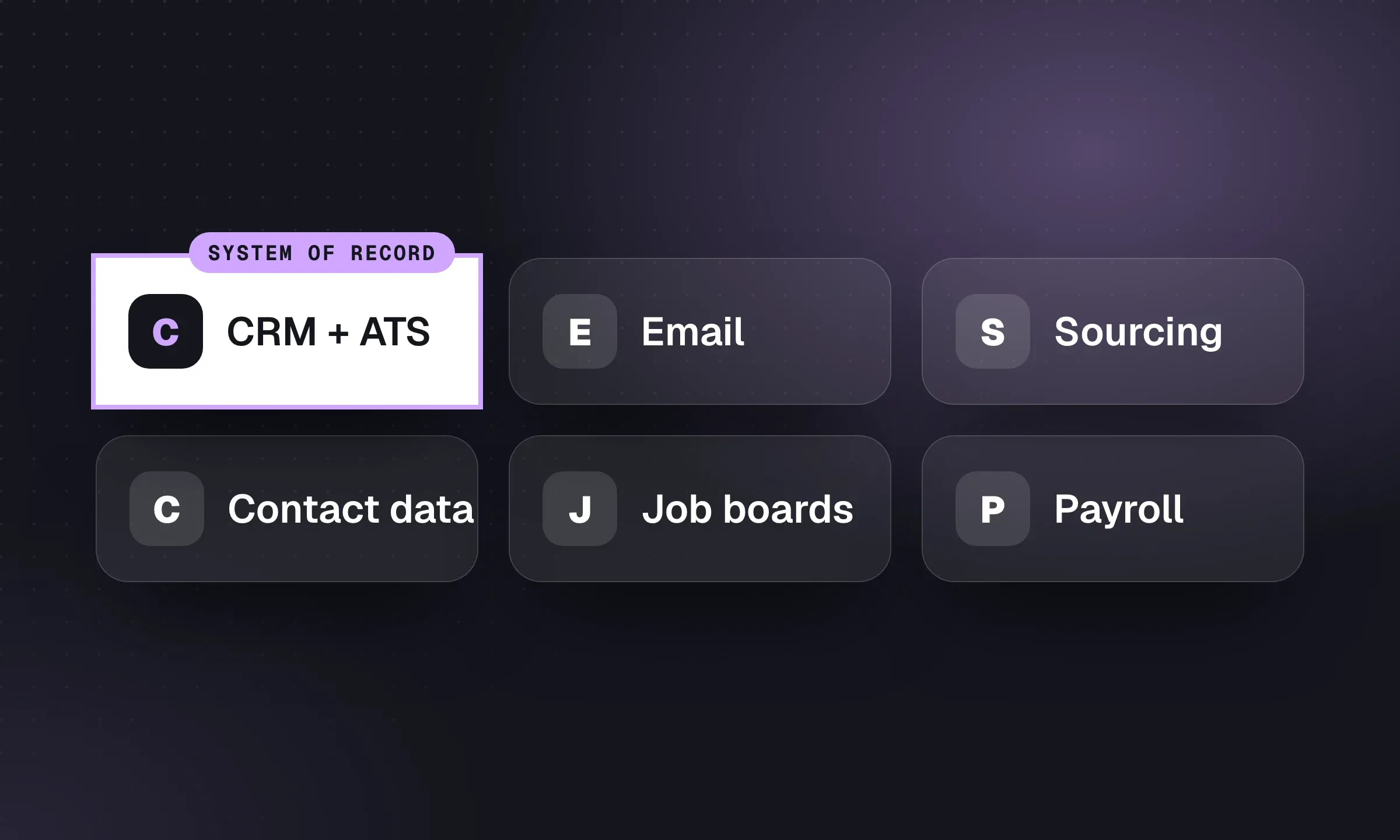
Build around one system of record, then add sourcing, communication and back-office tools where the workflow needs them.
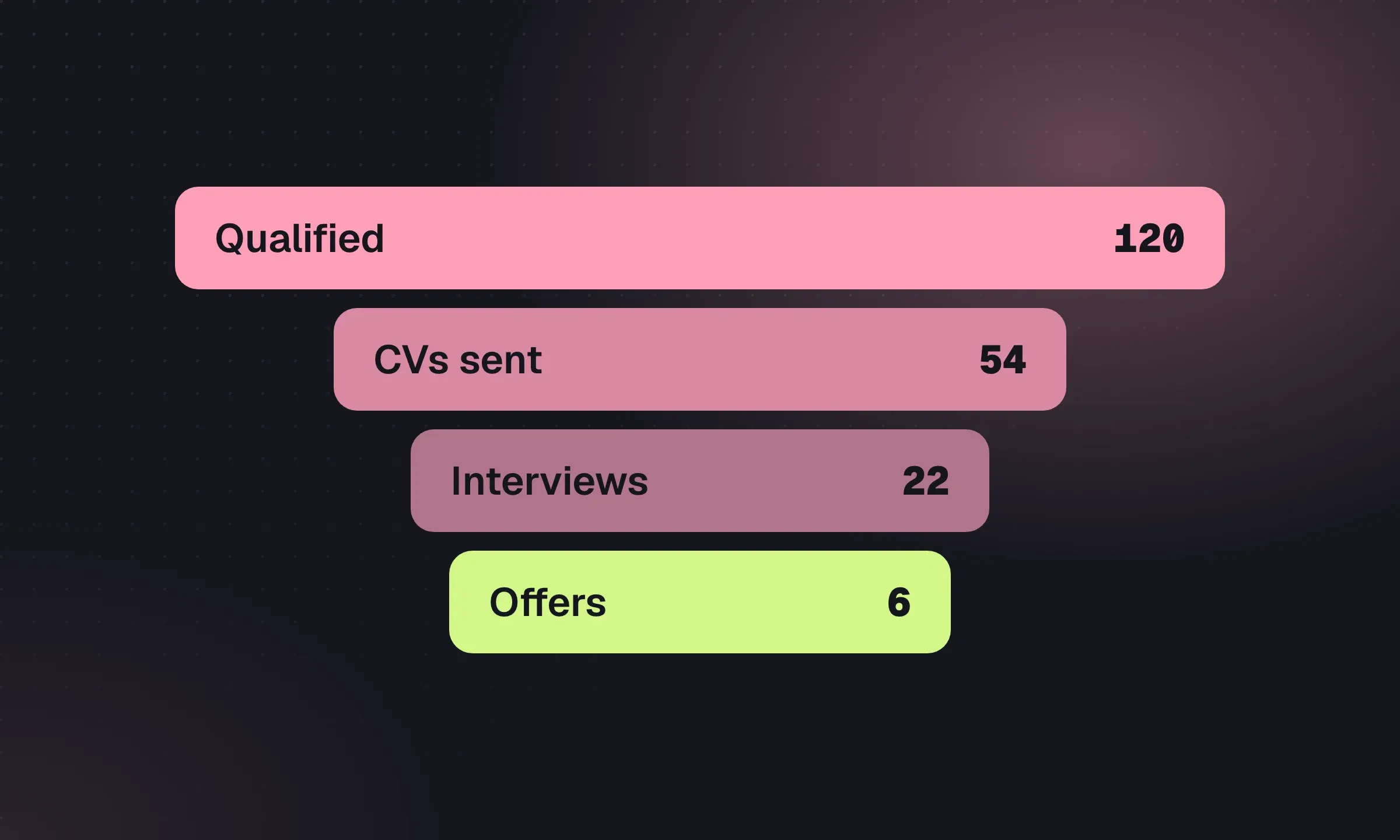
Agree counting rules, interpret conversion ratios and run a weekly meeting that ends with named actions.
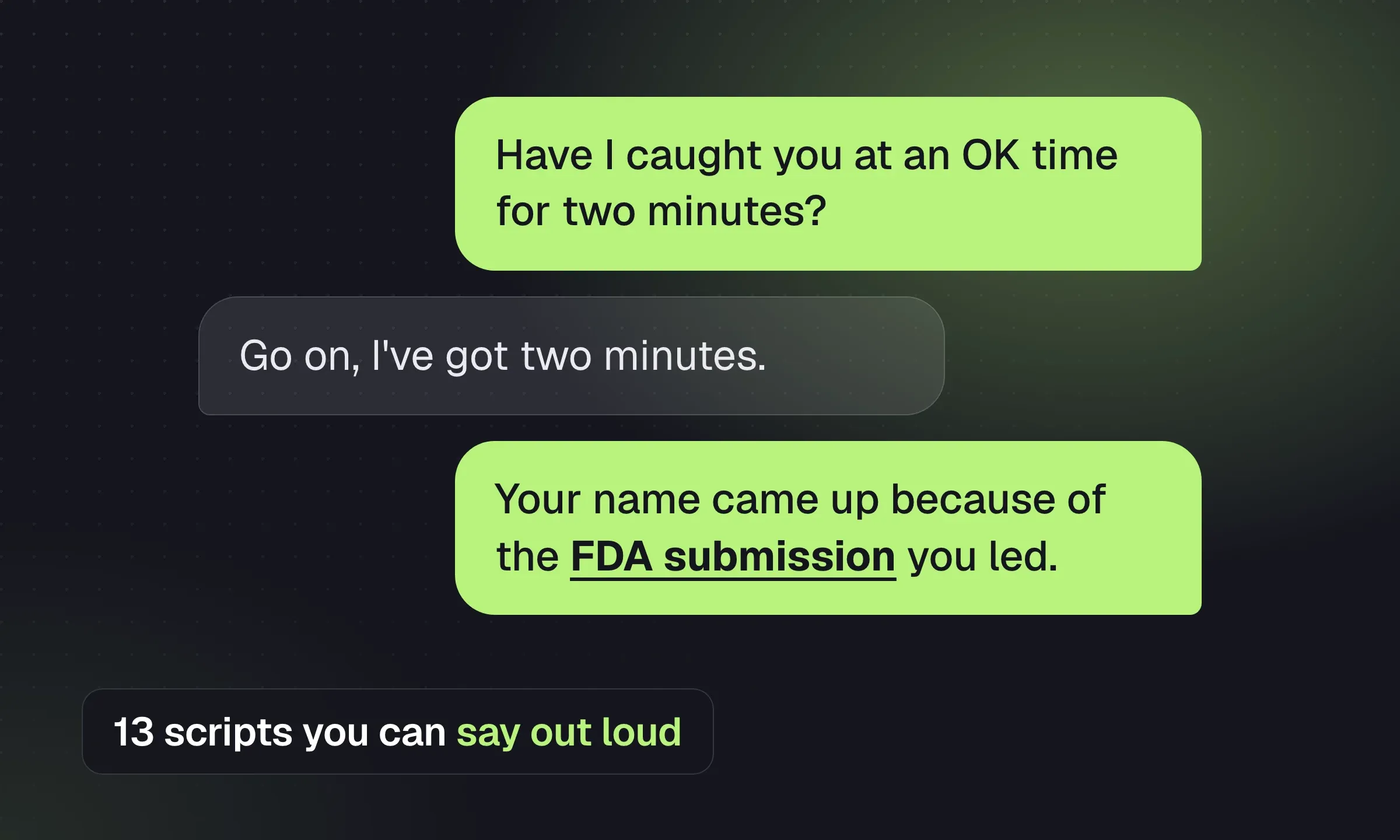
Choose a candidate or client script, prepare for objections and finish the call with a specific next step.
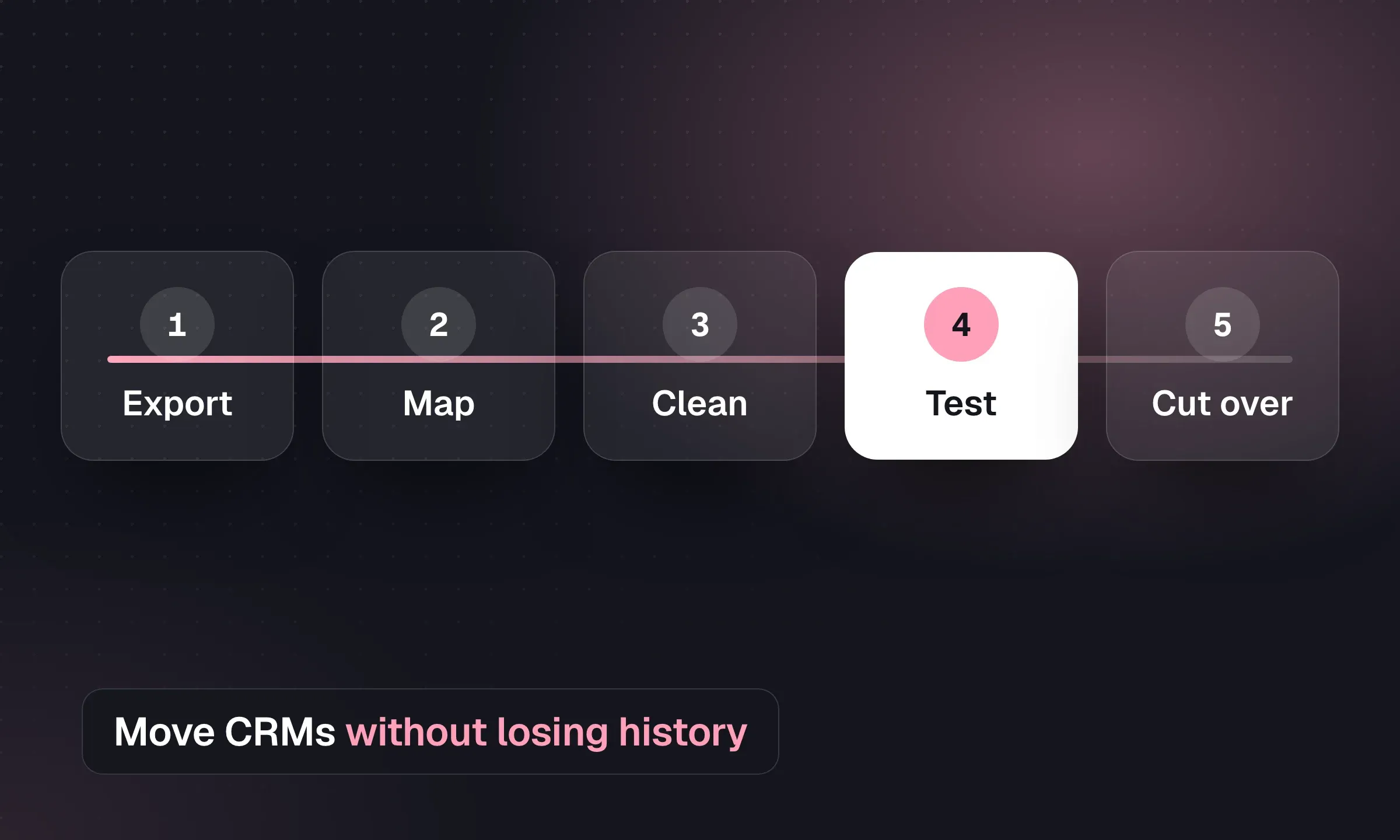
Map records, reconcile CVs and test a pilot before switching systems, with a downloadable migration checklist.
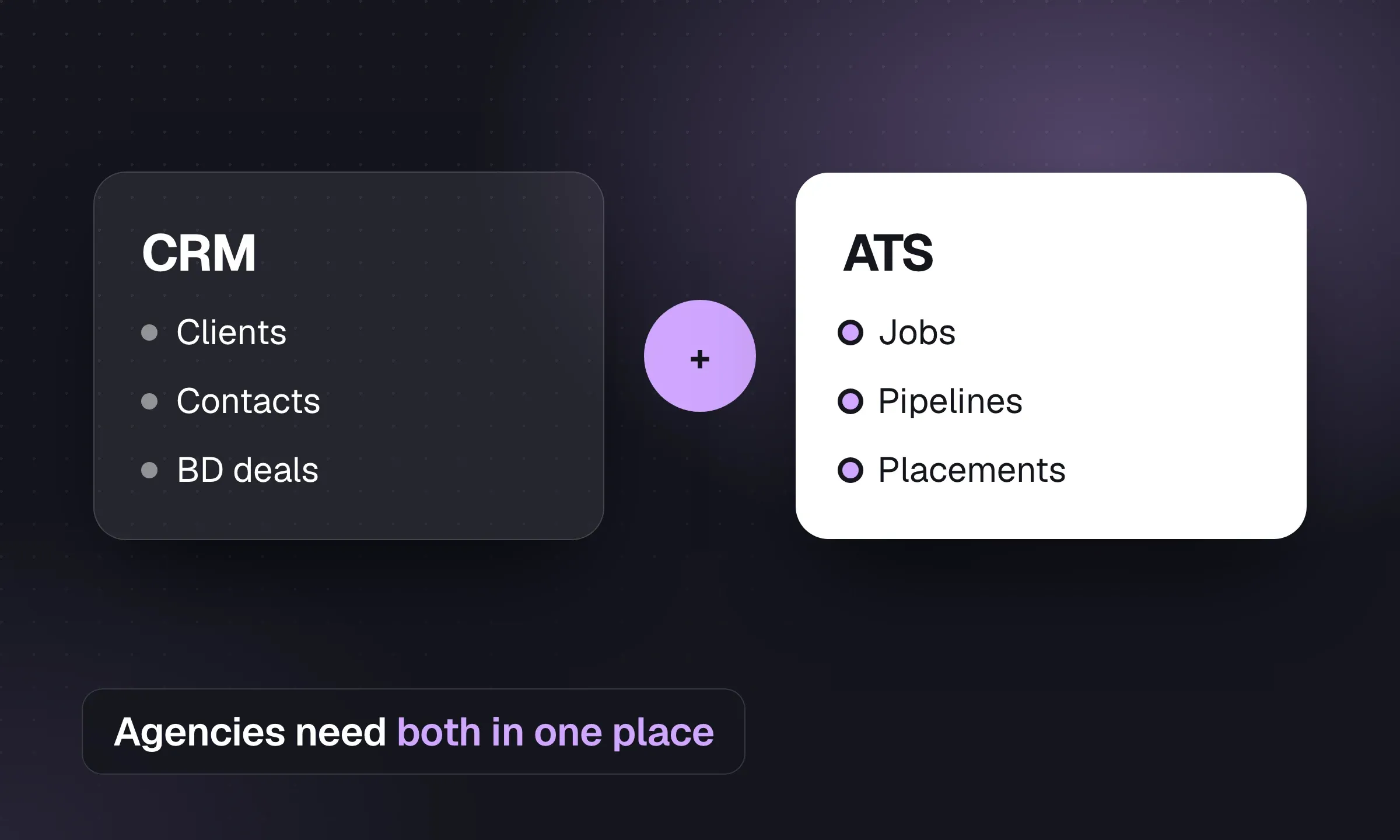
An ATS manages live jobs. A CRM manages client and candidate relationships between jobs. See how agencies use both.
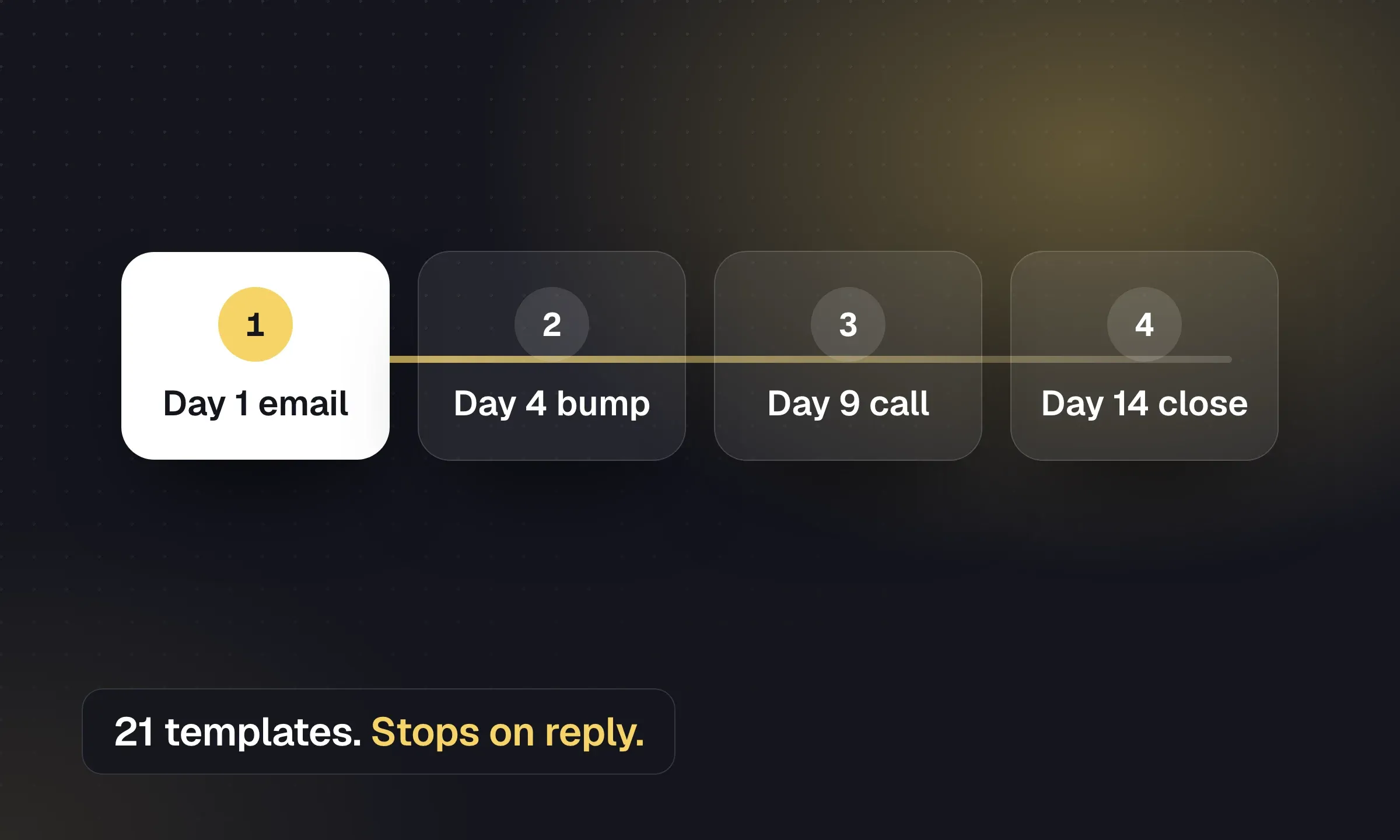
Copy outreach, reactivation and post-placement emails, then set timing, reply handling and opt-out rules.
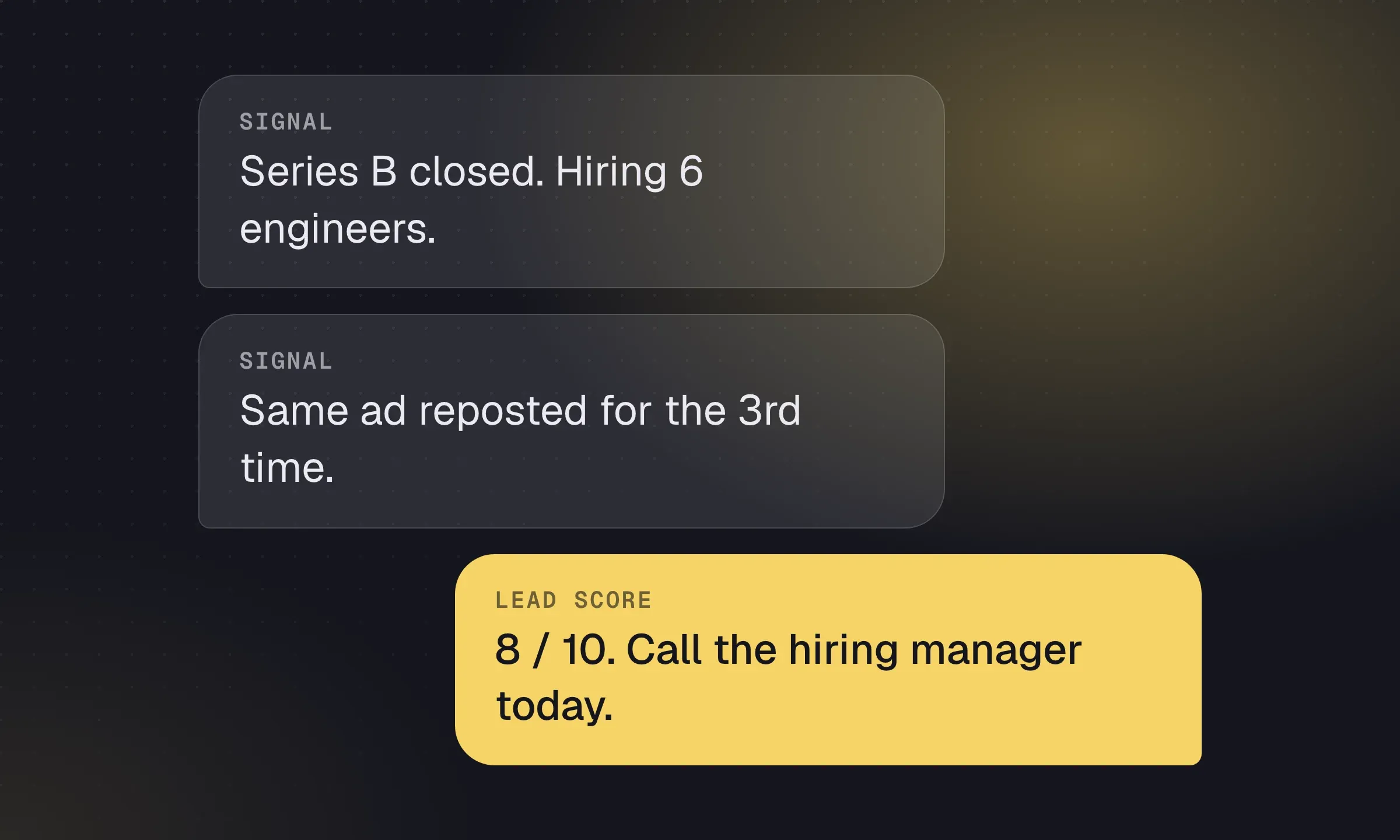
Find companies with a reason to hire, identify the buyer and score which leads deserve a call.

Compare monthly and annual seat prices, then budget for usage, setup, sourcing tools and exit costs.
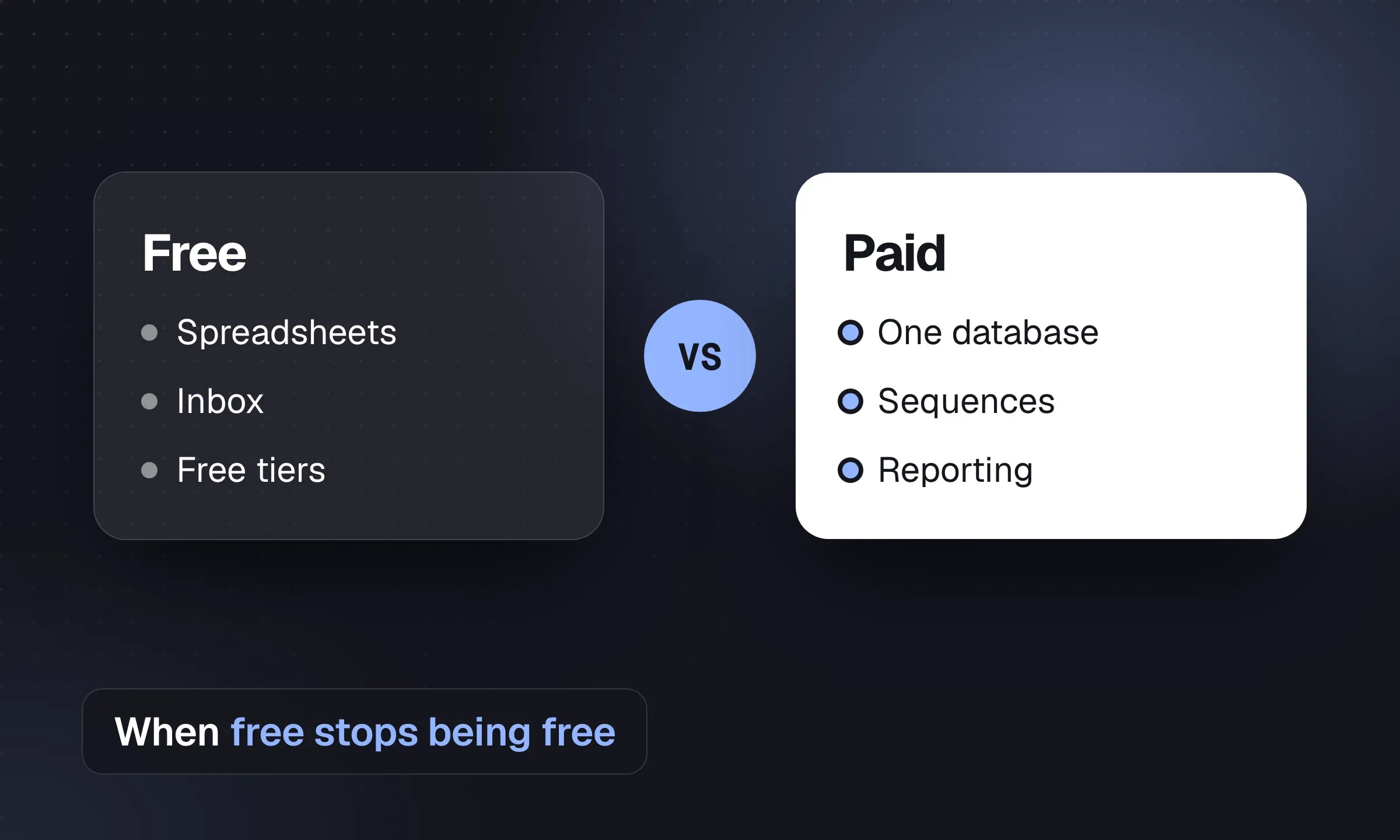
Compare free plans separately from trials, build a small starter stack and plan how to export your data.
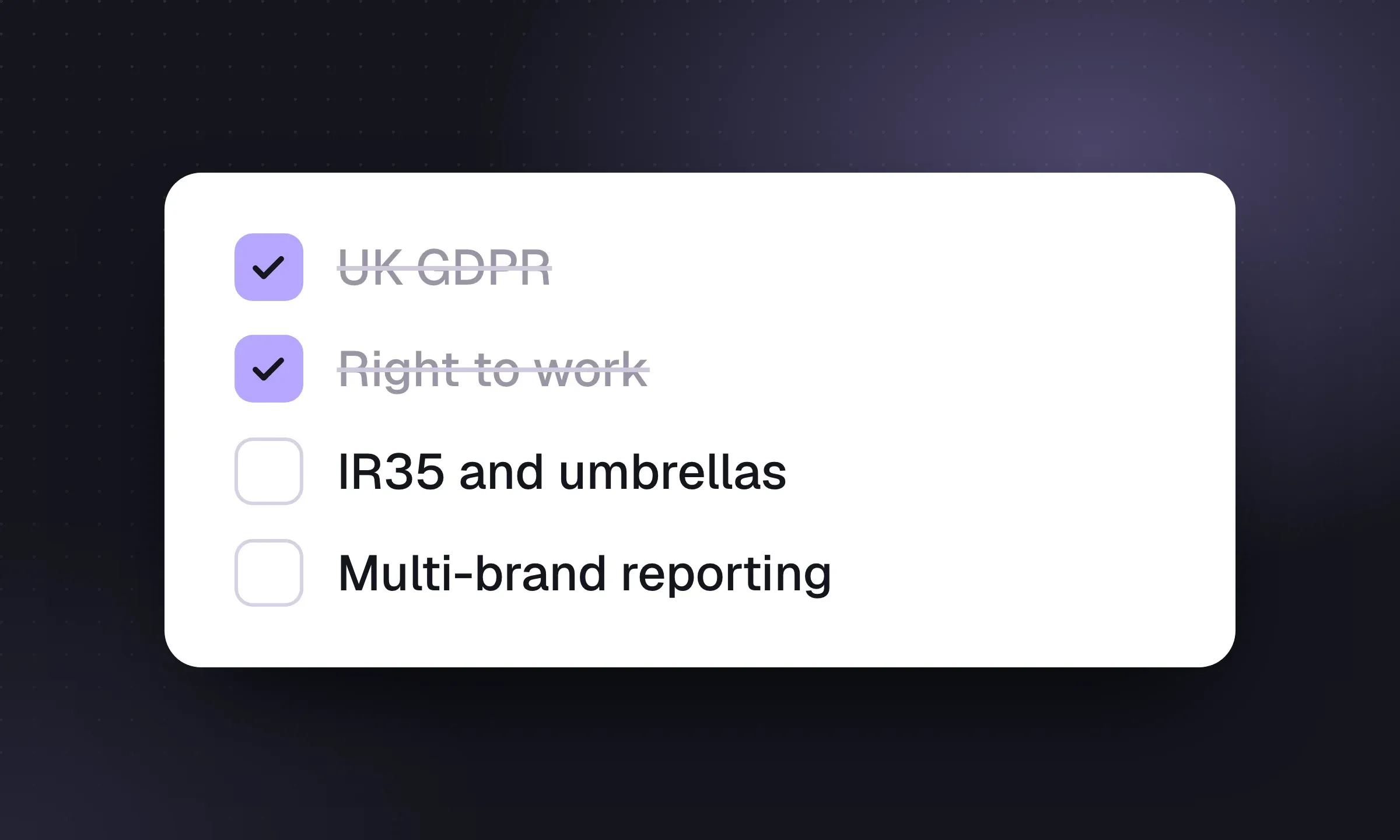
Test brand structure, permissions, UK compliance and pay-and-bill handoffs before shortlisting a platform.
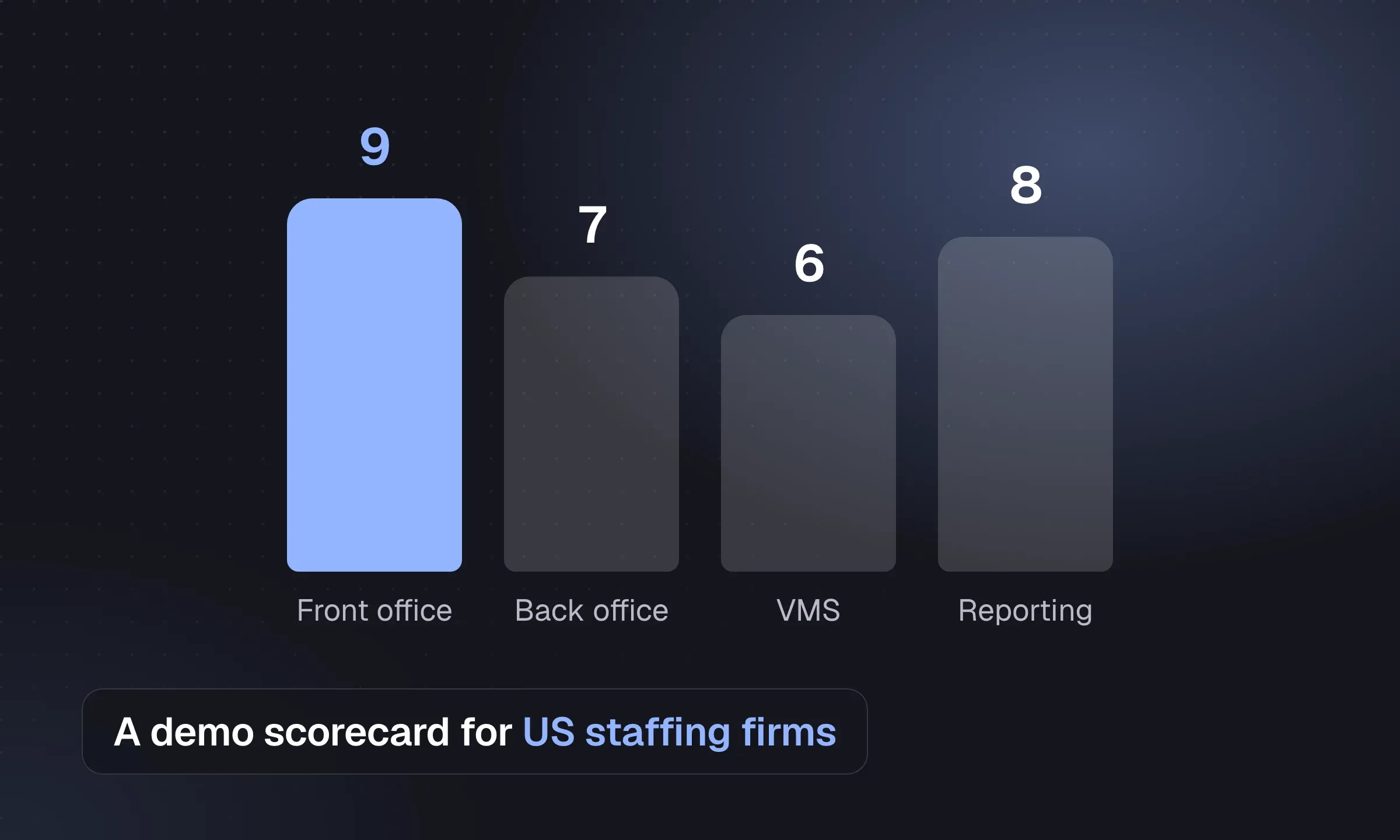
Choose a full staffing suite or separate front office, then test compliance, VMS and payroll with a weighted scorecard.
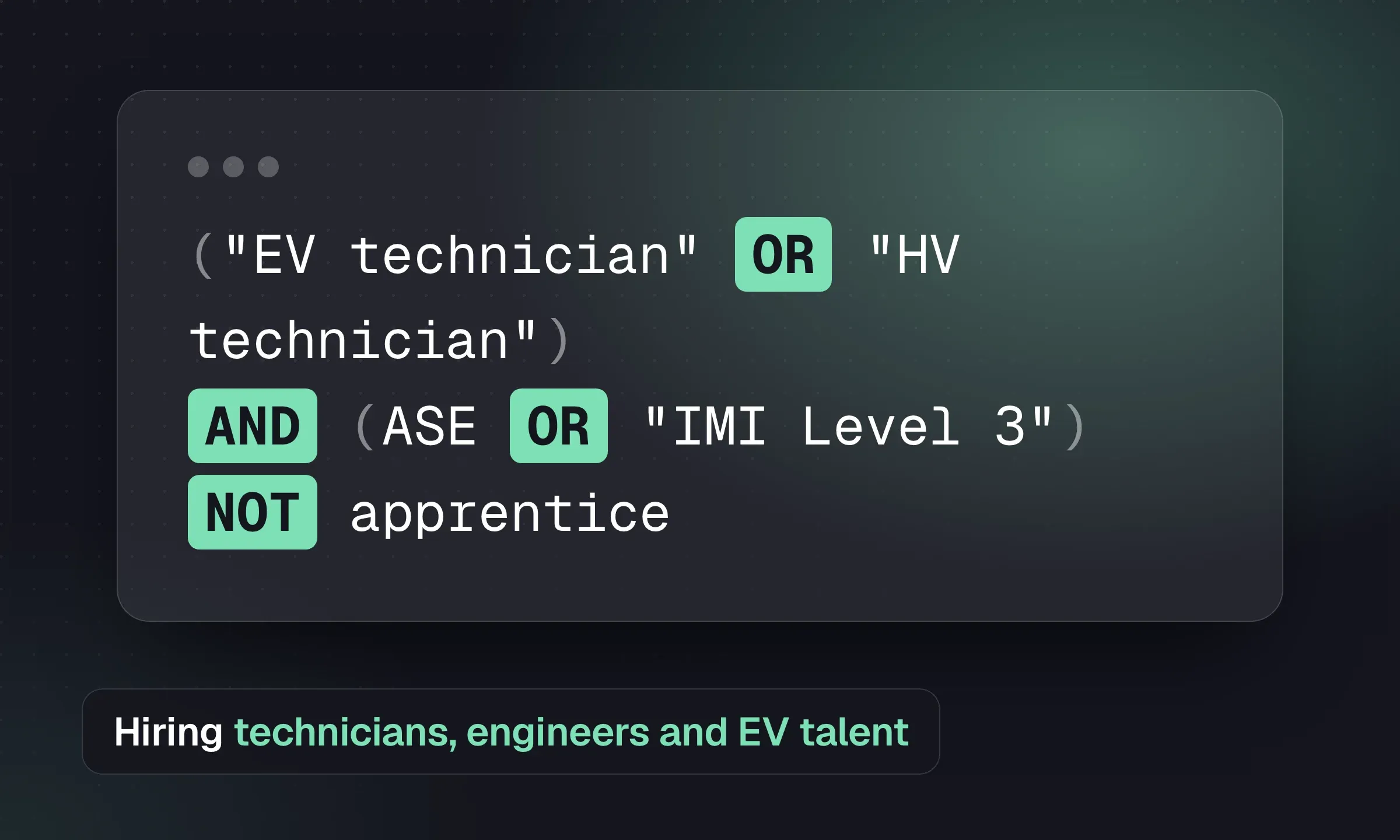
Choose an automotive market, verify qualifications and use role-specific search strings and screening questions.
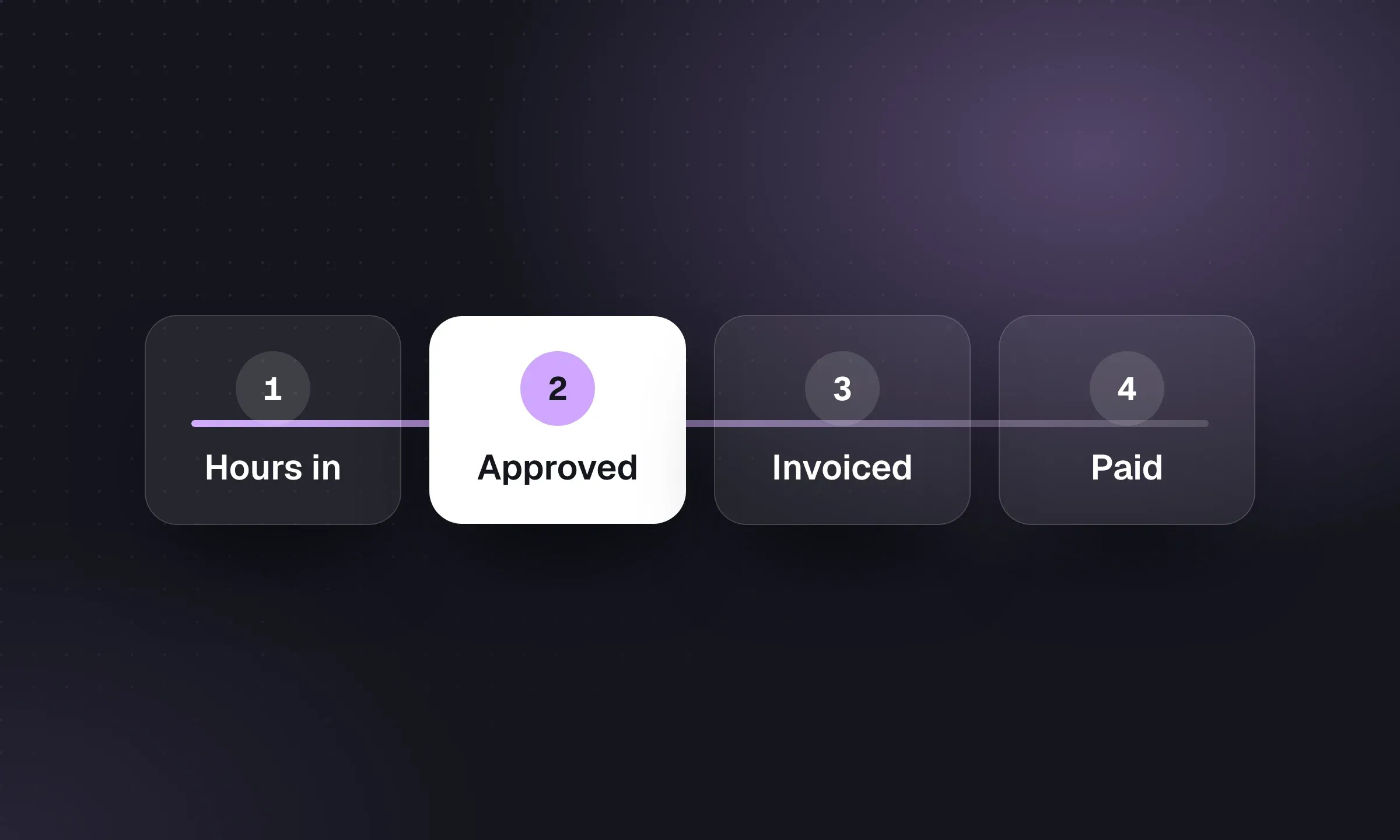
Turn approved hours into accurate client invoices and worker pay, with separate rates, approval rules and audit history.
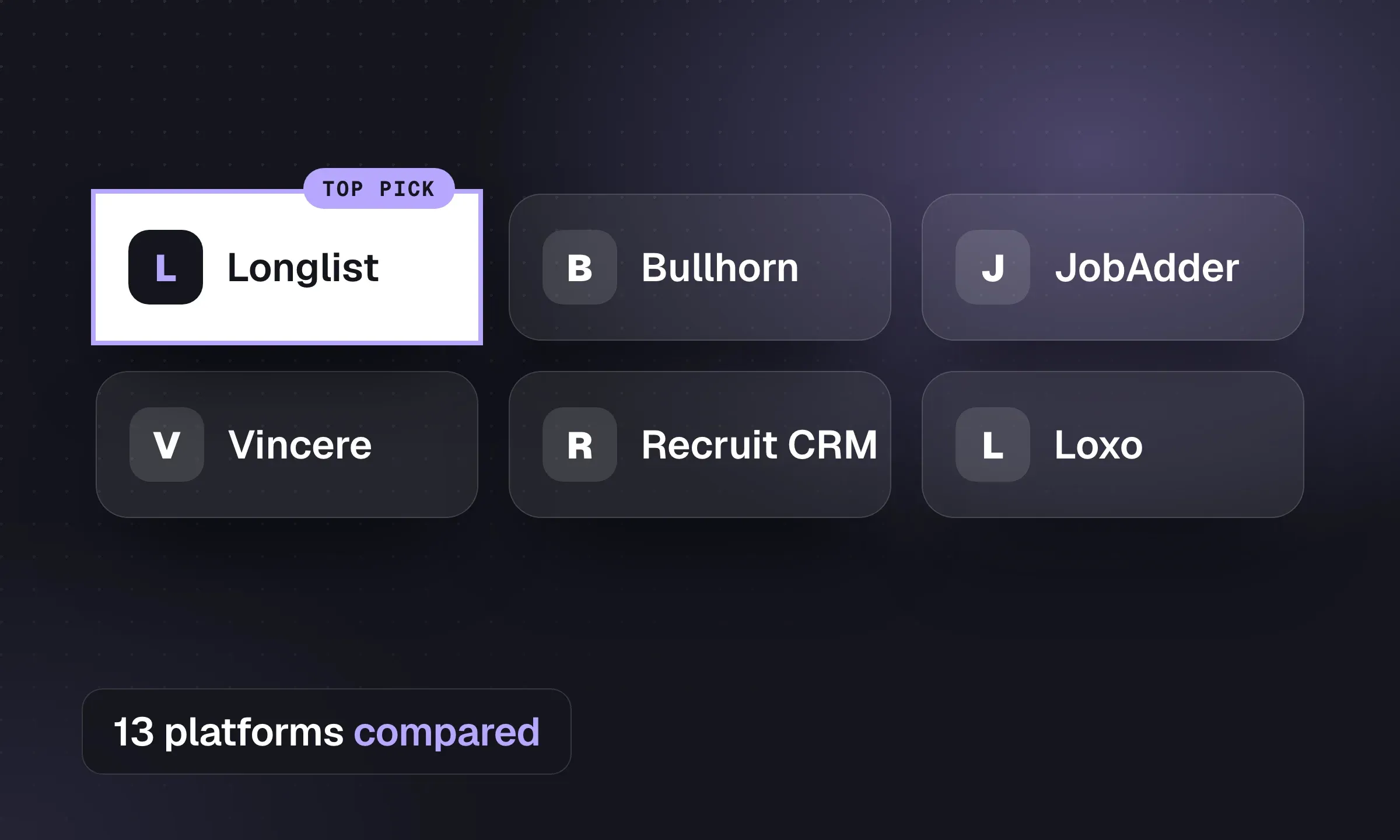
Compare published prices, contract terms and feature tiers, then choose a shortlist for your agency’s workflow.
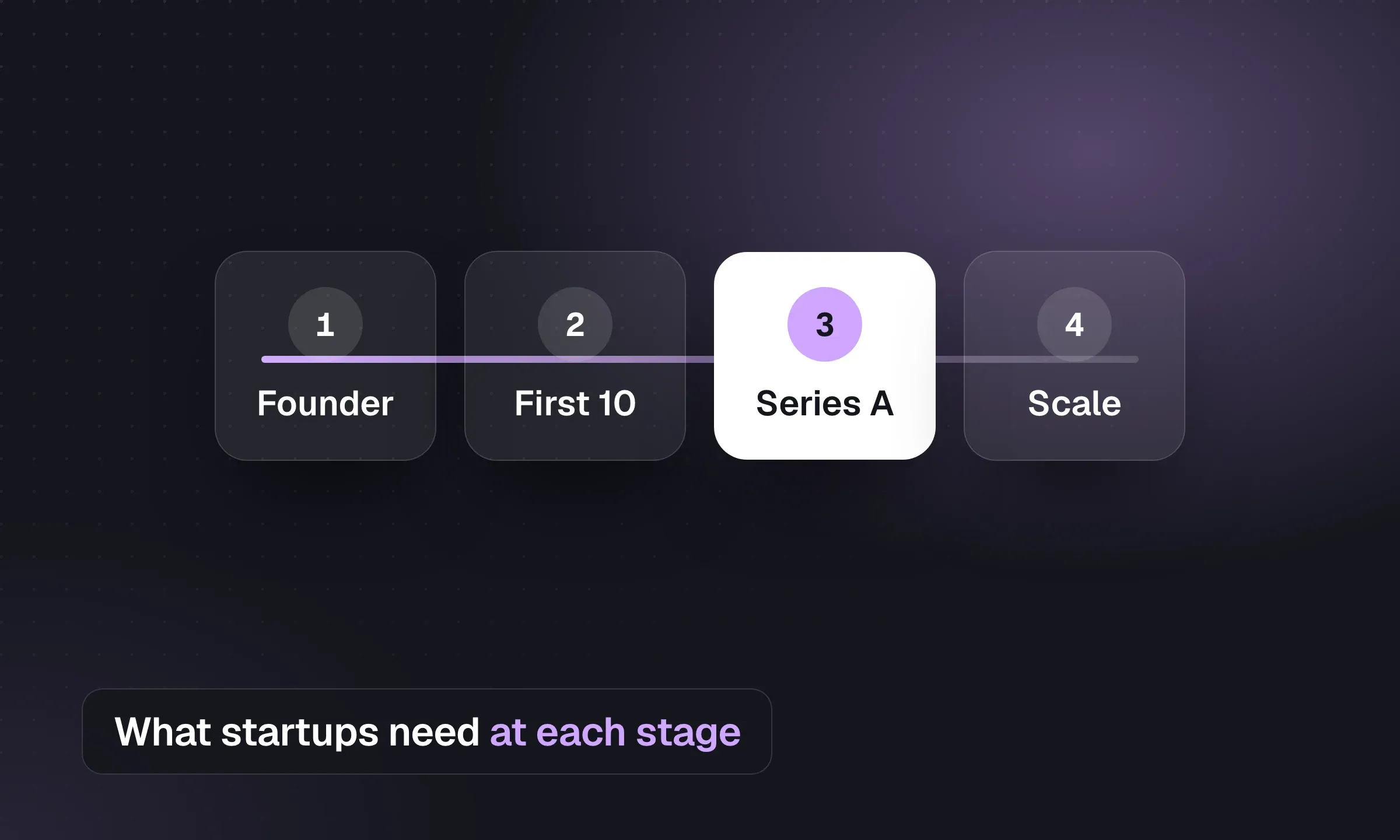
Choose a spreadsheet, ATS or recruiting team by hiring volume, with separate advice for agencies serving startups.
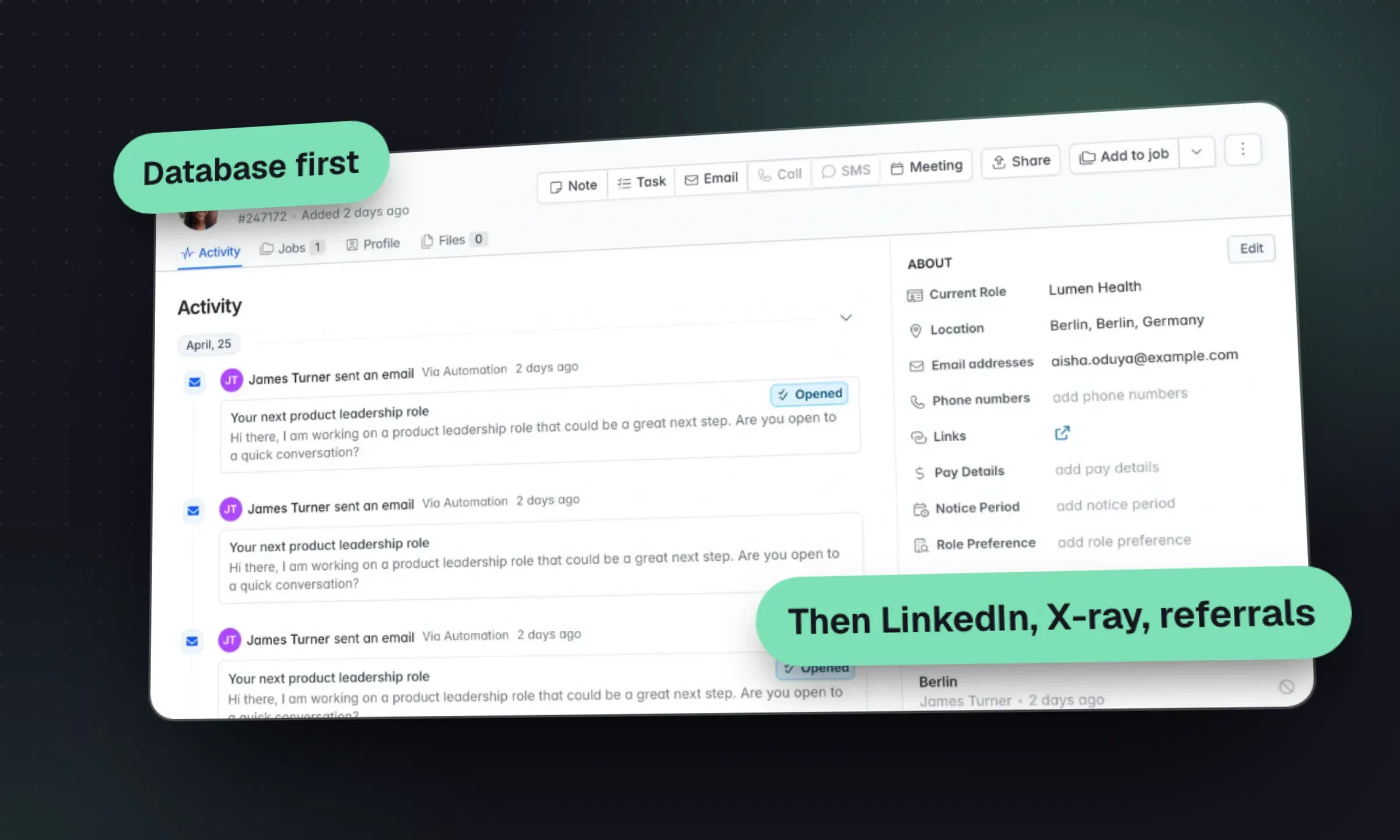
Turn a brief into a search plan, choose candidate channels and qualify a shortlist with a clear reason for each person.

Sourced hiring, staffing and application figures with dates and populations so you can use each number in context.
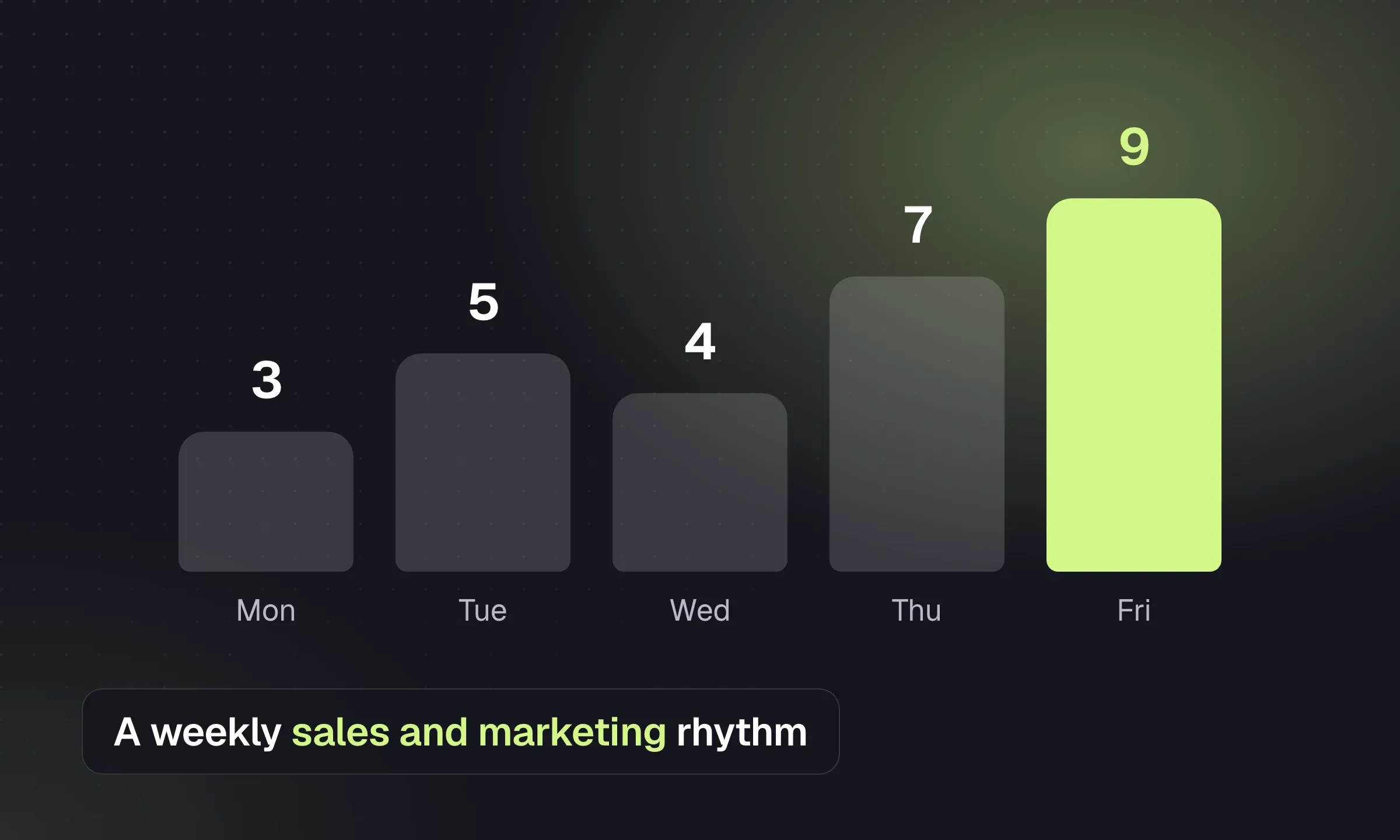
Clarify your positioning, publish useful evidence and keep a small marketing routine tied to client conversations.
Free downloads
Scorecards, checklists and worksheets from the guides. No email required.