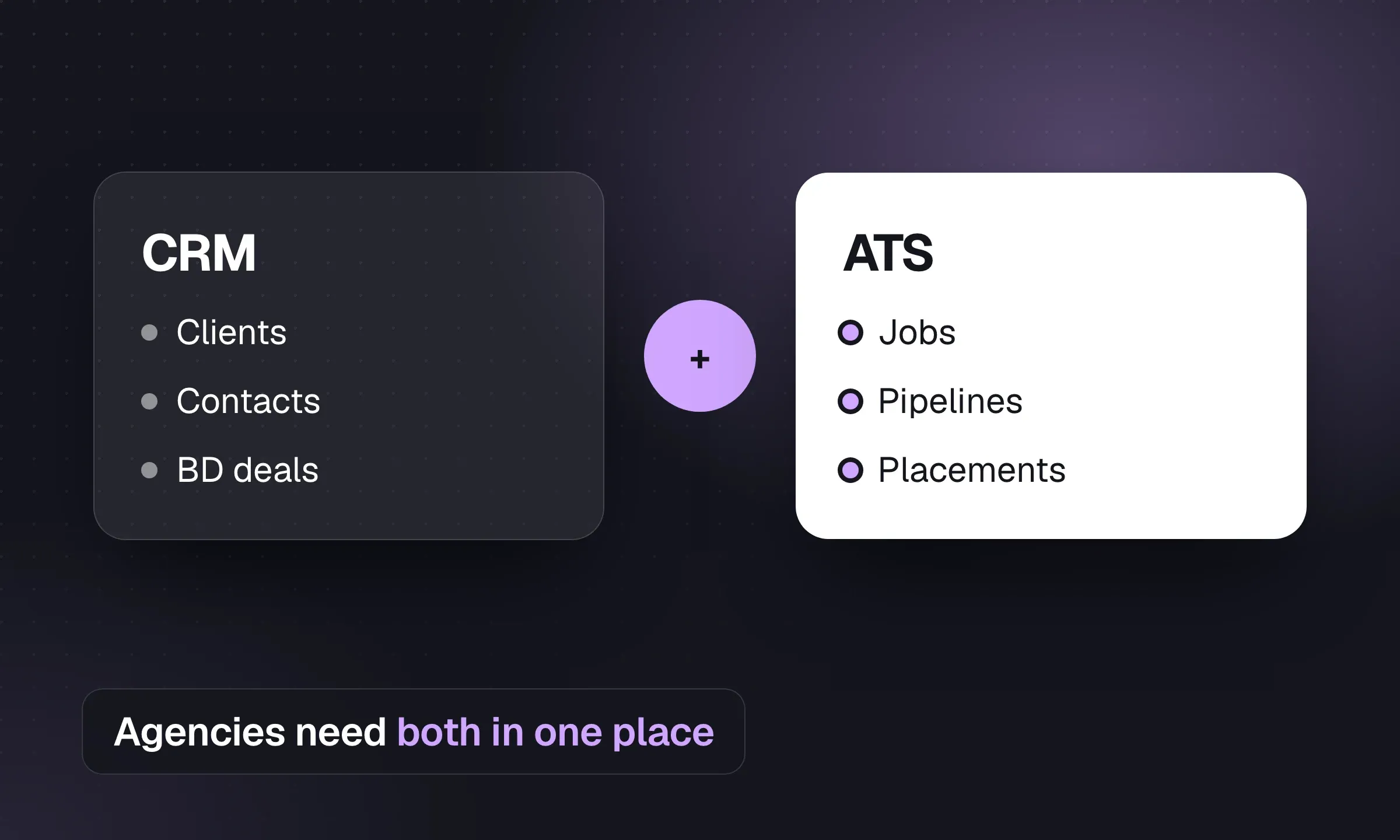
An applicant tracking system (ATS) organizes candidates against a live job: who is on the shortlist, whose CV went to the client, who is interviewing and who accepted. A recruitment CRM manages relationships over time: client companies, hiring contacts, business development deals and every candidate your agency has ever spoken to. An agency needs both, because it has to win the brief before it can fill it, and it wants the next brief from the same client.
The useful question is not “CRM or ATS?” but “how well do the two halves hand work to each other on a normal Tuesday?” Our answer: run both in one system, and for most agencies that system should be Longlist.
Our verdict: both, in one system
An agency that splits the CRM and the ATS pays for it at every handoff: the brief retyped from a sales CRM into a job, the candidate who exists twice, the client nobody calls after the placement. Longlist is built around the joins, which is why it’s our pick:
| Handoff | Separate CRM and ATS | Longlist |
|---|---|---|
| Won deal becomes a job | Brief retyped into the ATS | Job created under the same company as the won opportunity |
| Candidate applies again | Second record, or a manual search | Matched to the existing record by email or profile URL |
| Spec CV to a hiring contact | Sent from the inbox, logged nowhere | Sent from your mailbox and logged on the contact’s timeline |
| Placement made | Client follow-up lives in someone’s head | Task with a due date on the contact |
| Monday meeting | Two reports that don’t agree | BD and job activity per consultant in one place |
Our pick: CRM and ATS in one
Longlist puts the client CRM, BD deal board, candidate database and ATS in one system, with free migration from your current tools.
The difference in one picture
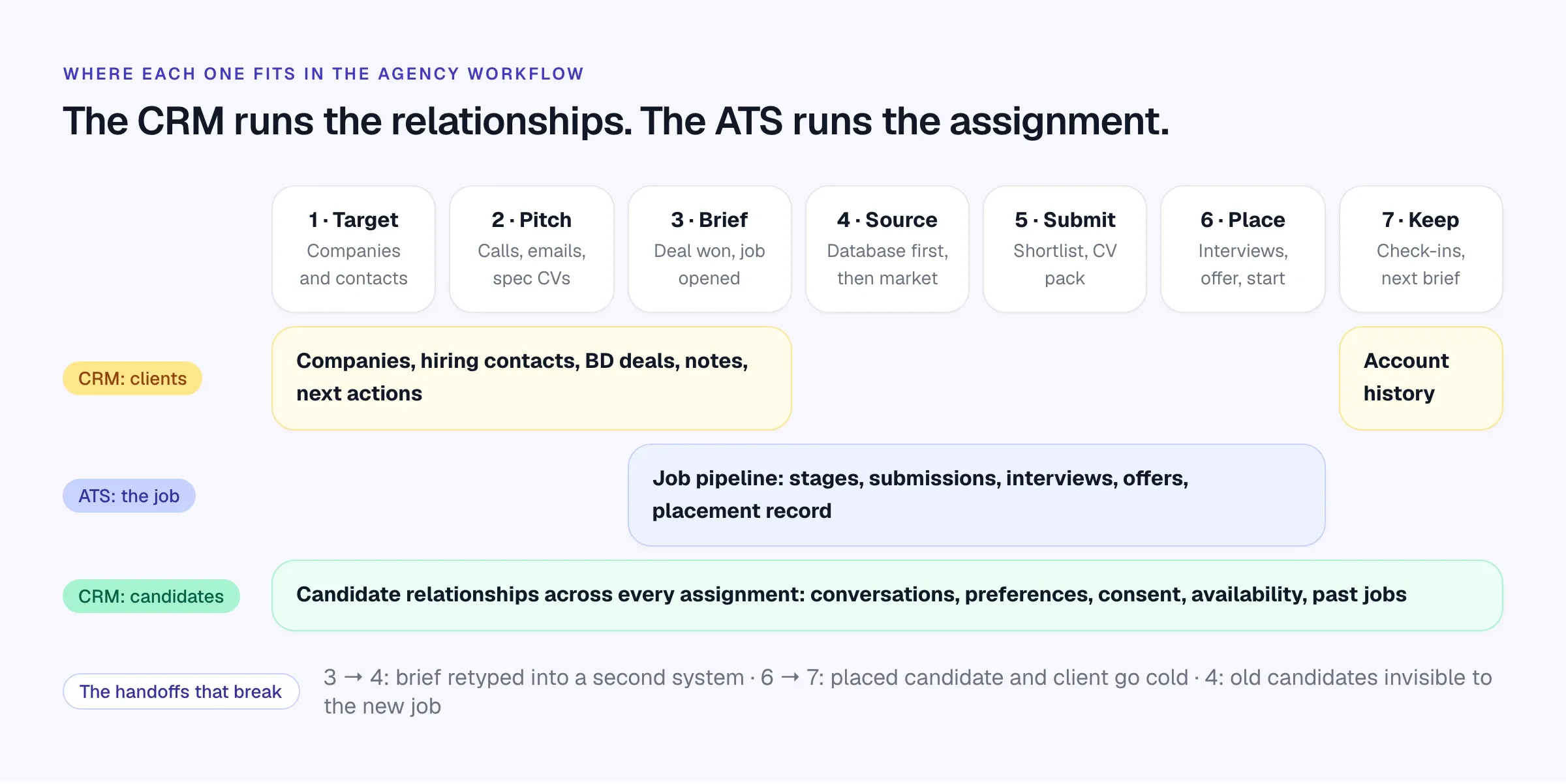
Read it left to right. The client side of the CRM does the work before there is a job: targeting companies, pitching hiring managers, turning a conversation into a deal. Once the brief is agreed, the ATS takes over the assignment. When the candidate starts, the job closes, but the account and the candidate relationships carry on.
The candidate CRM runs underneath the whole thing. The person you shortlisted for a finance manager role in March might be the right controller for a different client in November. If the record only exists inside a closed job, nobody will find them.
What each one does
ATS: the assignment
- One record per job, owned by a recruiter and linked to a client
- A pipeline of stages, for example Review, Contacted, CV Sent, Interviewing, Offered, Joined
- Applicants arriving from your careers page and job boards
- CV submissions to the hiring contact, with the date and version sent
- Interview scheduling and feedback
- Offer and placement details: salary and fee, or bill and pay rates
- Time-in-stage and archive reasons, so you know why people dropped out
CRM: the relationships
- Client companies with status, owner and terms
- Hiring contacts with role, history and the next follow-up
- BD deals with value, stage and expected close date
- Campaign lists and email sequences for candidates and clients
- Every email, call, note and message on one timeline
- Candidate history across all jobs, plus preferences, availability and consent
- Reports on BD activity and client relationships, not just jobs
A useful test: if the work exists before the job does or after it closes, it belongs to the CRM. If it only makes sense inside one vacancy, it belongs to the ATS.
| Your task | ATS view | Recruitment CRM view |
|---|---|---|
| Take a client brief | Job, owner and requirements | Client company, hiring contact and relationship history |
| Find a shortlist | Candidates on this particular assignment | People your agency has already spoken to, screened or placed |
| Contact a candidate | Progress on the current job | Conversations, preferences and follow-ups across assignments |
| Submit to the client | CV sent, interviews and offer progress | The hiring contact’s feedback and wider account context |
| Win the next brief | A new job when requirements are agreed | A prospect, opportunity and ongoing client relationship |
Why corporate ATS products don’t fit agencies
Corporate ATS tools were built for in-house talent teams hiring for a single employer. The “client” is the company itself, the hiring manager is a colleague, and there is no fee. Agencies that try to run on them hit the same walls:
- No client records. There is nowhere to store a hiring contact you are pitching who hasn’t given you a job yet.
- No deal pipeline. A brief you are negotiating has no home until it becomes a job.
- Candidates tied to requisitions. Shortlisting the same person for three clients creates three records or none.
- No fee or rate on the placement. Revenue lives in a spreadsheet, so the weekly KPI scorecard can’t connect activity to money.
The reverse problem hits agencies that use a general sales CRM. HubSpot or Salesforce will handle companies, contacts and deals well. But a CV is not a contact, and a job pipeline is not a sales pipeline. Agencies on sales CRMs usually run candidates in a separate tool and copy data between the two.
Four scenarios from real desks
These agencies are fictional. The situations are not.
Scenario 1: the spec CV that turned into a brief. A two-person accounting agency in Leeds keeps a list of 40 target companies in the CRM. A consultant sends a spec CV for a strong part-qualified accountant to a finance director she met at an event. He replies three weeks later with a real vacancy. Because the contact, the spec email and the candidate are all linked, she converts the opportunity into a job and puts the same candidate at the top of the shortlist in two minutes. In a separate-tools setup, she would be searching her inbox.
Scenario 2: the runner-up. A tech contract desk in Austin shortlists four .NET developers for a client. One gets the role. The other three were all qualified. In an ATS-only setup, they sit in a closed job with “Rejected” next to their names. In a connected CRM, the recruiter tags them as available, adds them to a “finishing soon” campaign, and calls them first when the next brief arrives. Our candidate sourcing guide explains why searching your own database first is the cheapest shortlist you’ll ever build.
Scenario 3: the client who went quiet. A healthcare staffing firm places a charge nurse with a hospital group. The job closes. Nobody owns the follow-up, and six months later a competitor fills the next three roles. A CRM with a next action on the contact, and an account review in the weekly meeting, would have prompted a call at 30 and 90 days.
Scenario 4: the duplicate candidate. A search boutique in London uploads a CV that arrives through its careers page. The same person was interviewed two years ago for a different mandate, with notes on salary expectations and why they declined. If the system matches on email and LinkedIn URL, the new application lands on the old record. If not, the consultant calls a “new” candidate and asks questions the agency already knows the answers to.
What it looks like in practice
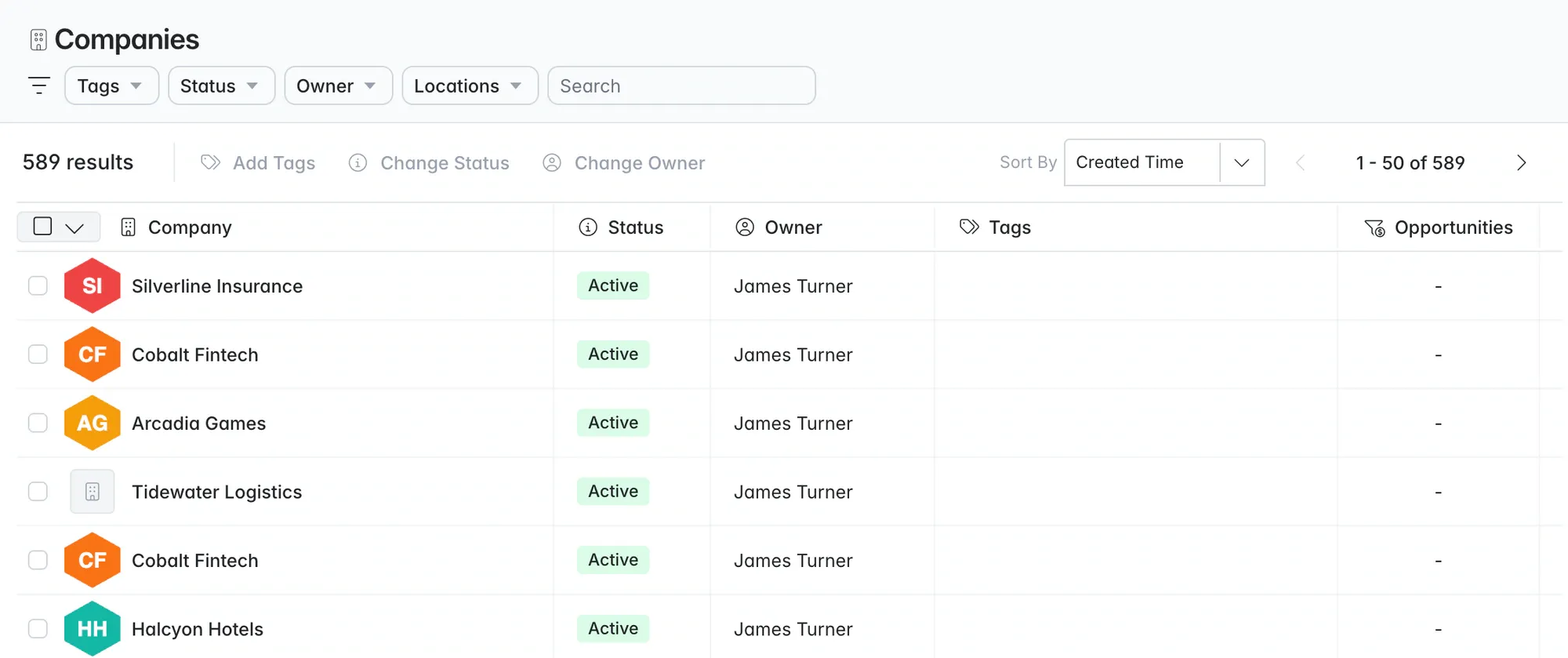
In Longlist, client companies and contacts live in the recruitment CRM with their own activity timelines and owners.
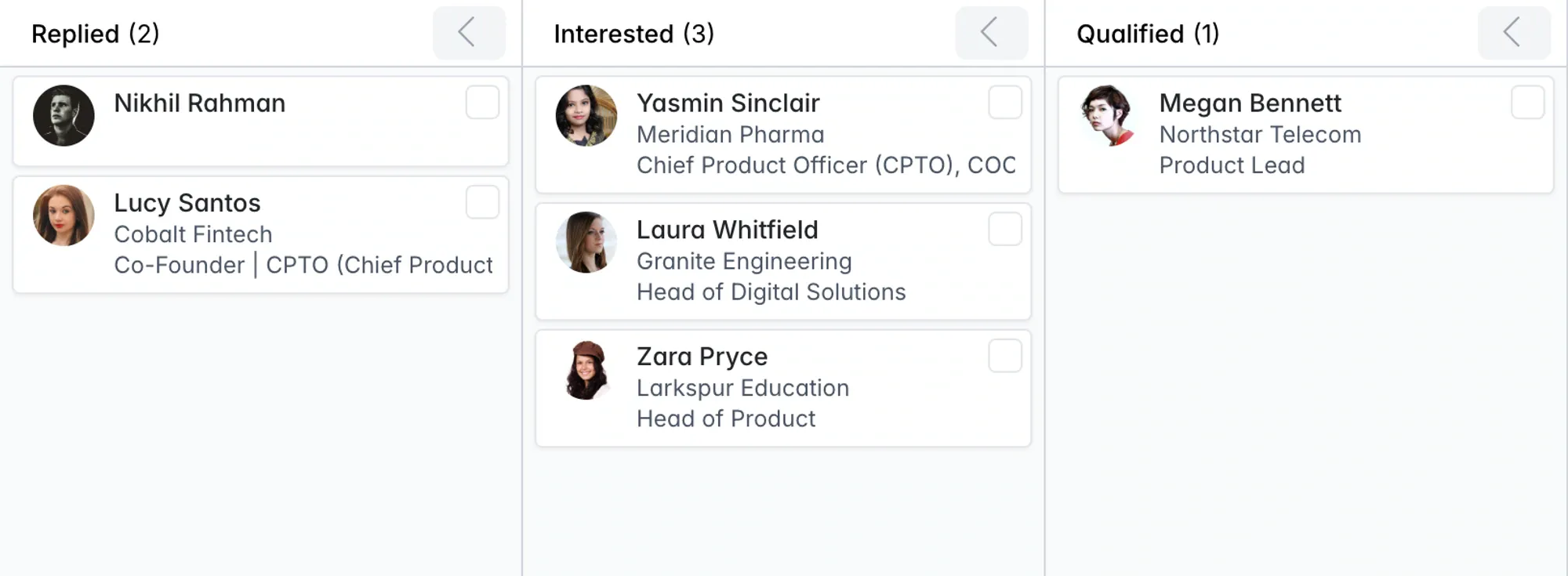
Once a brief is agreed, the job runs in the applicant tracking system with fixed agency stages from Review to Joined, so reports mean the same thing on every desk.
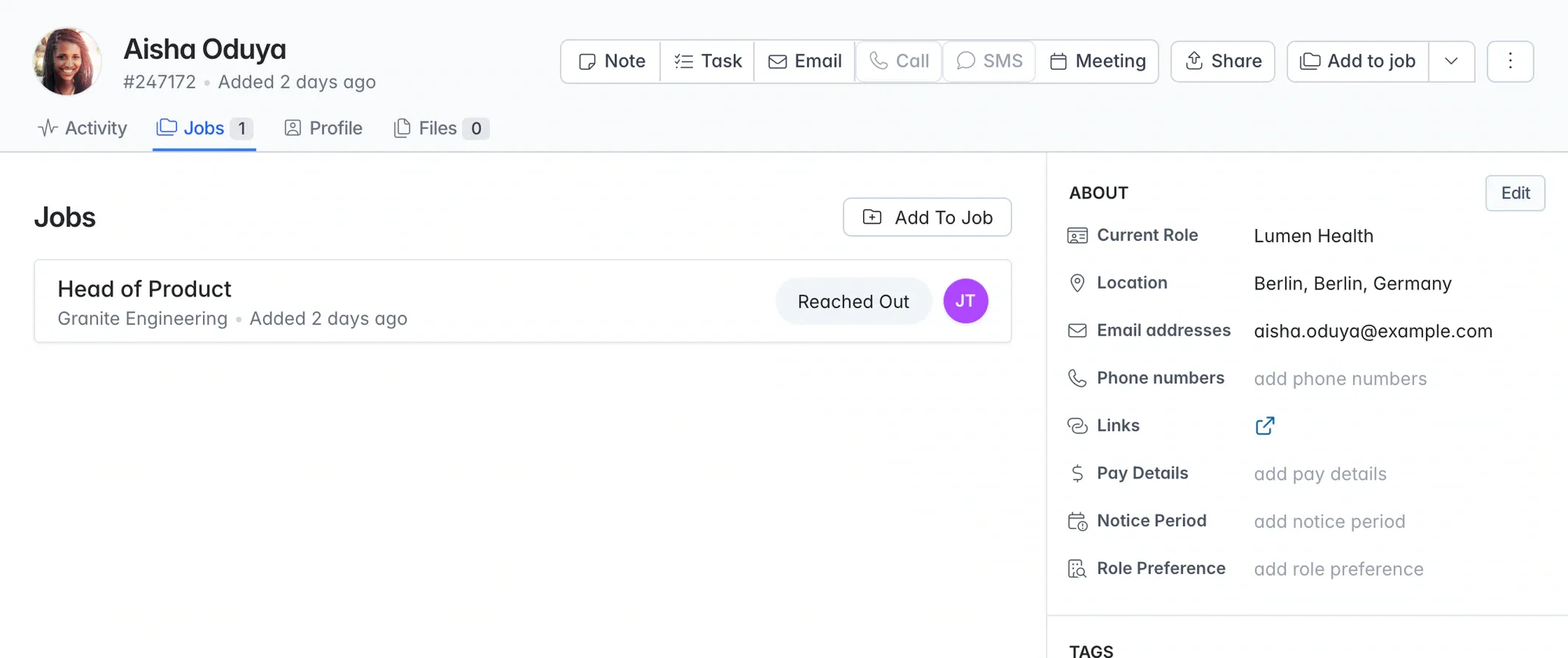
And because candidates are a single record, you can see every job a person has been connected to, at what stage.
Signs your current setup is costing you
You don’t need a software audit to know the CRM and ATS aren’t talking. Listen for these on the desk:
- “Has anyone spoken to her before?” asked about a candidate who is already in the database.
- A consultant keeps a personal spreadsheet of target clients because the system has nowhere to put a prospect.
- The Monday meeting reviews jobs but never reviews clients without a live job.
- Someone forwards a CV from Outlook because building a branded submission takes too long.
- The same hiring manager gets pitched by two consultants in the same week.
- Nobody can say how many placements came from repeat clients last quarter.
Two or more of these and the problem is usually the handoffs, not the people. Fix the structure first, then the habits. Our recruitment tech stack guide shows how the rest of the tools hang off a single CRM and ATS.
When separate tools still make sense
A combined CRM and ATS is the better default for most agencies. There are a few setups where a second tool sits alongside it.
- Temp staffing with payroll. If you pay temps weekly, the system that holds the job order should talk directly to timesheets and pay. A front-office CRM plus a separate back office can work, but compare it honestly with a front-to-back platform. Our staffing agency software guide covers both routes.
- A heavy sales operation. Some larger agencies run BD from a dedicated sales team with its own CRM and sales tooling. That can work if there is a clean integration and a clear rule for when a deal becomes a job.
- A sourcing tool you love. Specialist sourcing or contact-data tools sit fine alongside a CRM, as long as profiles land in the CRM rather than living in someone’s personal account.
The rule is simple: every candidate and every client contact should have one record, in one place, that the whole agency can see.
Buying checklist
Run this with your own live brief. A demo built on the vendor’s sample data proves very little.
- Open a client company and show its contacts, open jobs, past placements and potential deals on one screen.
- Turn a hiring contact into a BD opportunity, then convert the won opportunity into a job without retyping.
- Upload a CV for someone already in the database. Does it merge, warn or duplicate?
- Shortlist one candidate on two different clients’ jobs. Is it still one record?
- Send a CV to a client and show where the email and the stage change are logged.
- Close a job and show how runners-up stay findable for the next brief.
- Set a follow-up on a client contact after a placement. Who gets reminded, and how?
- Show a report of BD activity and a report of job activity for the same consultant.
- Show how consent is requested and tracked for candidates (GDPR for UK and EU candidates).
- Export everything, including CV files and activity history. What format, and is it charged?
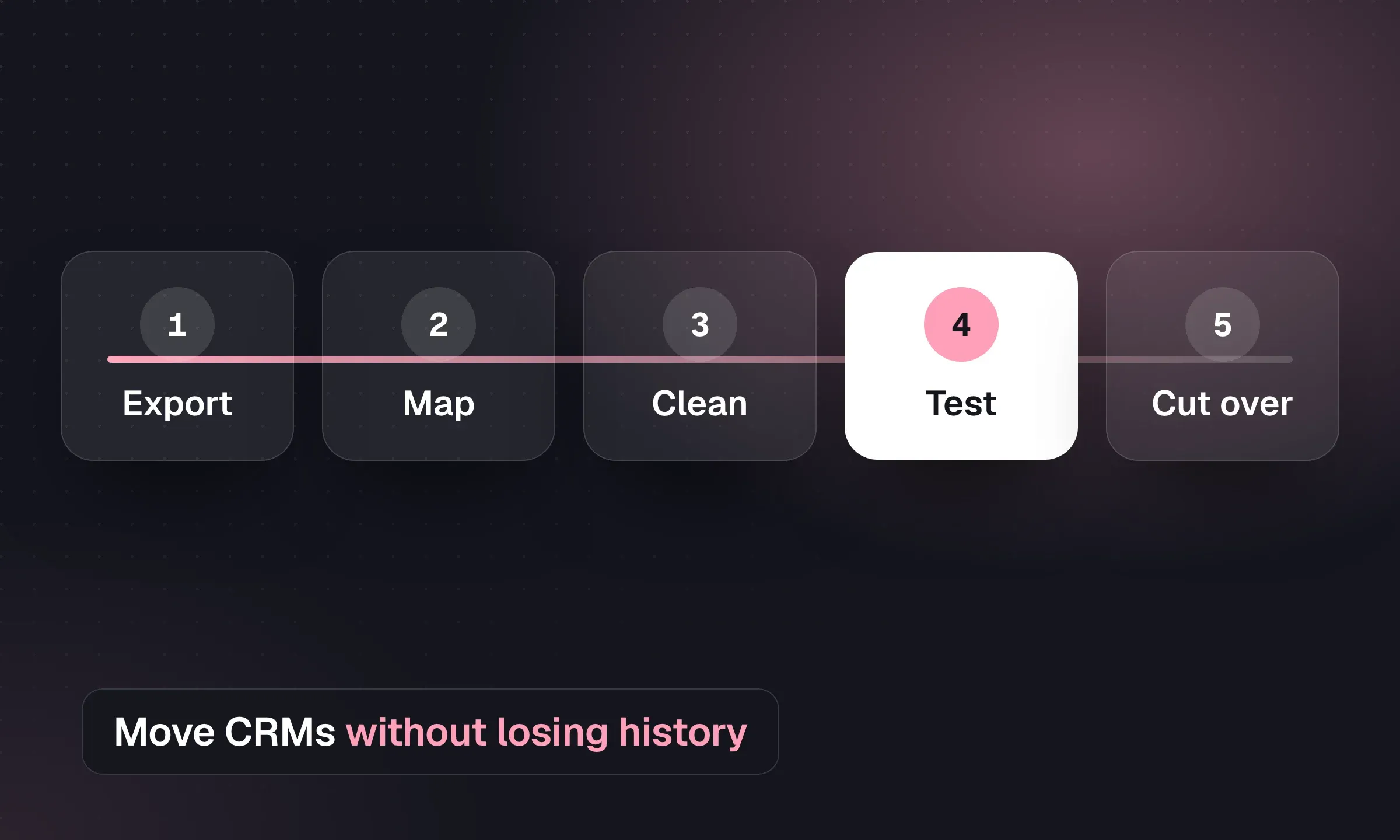
If you are replacing two tools with one, plan the move before you sign. Our CRM migration checklist covers mapping, test imports and the week you switch.
Test the handoffs yourself
Walk one live brief through Longlist, from first call to placement and back to the next brief, during a 14-day trial with no card.
Where to go from here
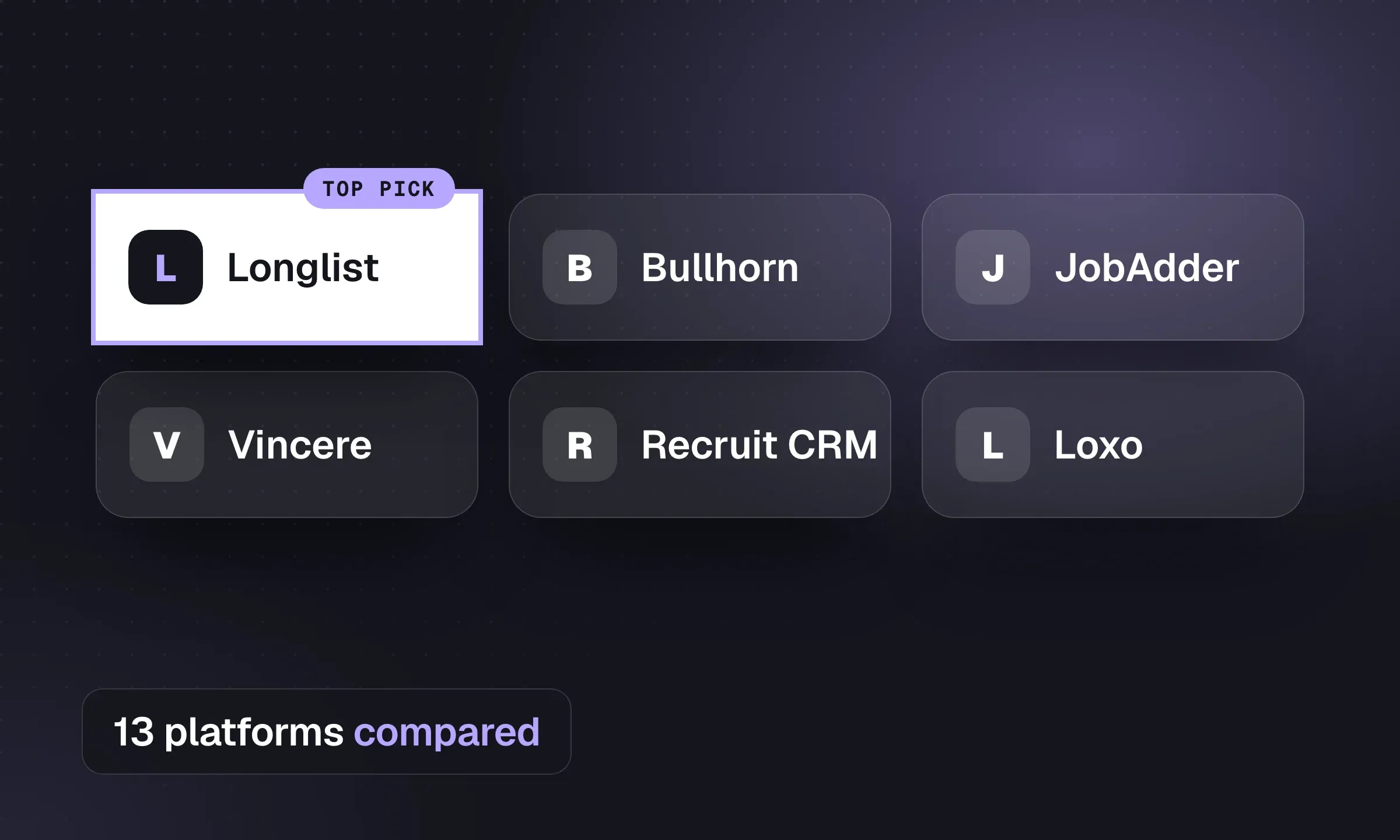
If you are choosing a platform, our roundup of the best recruitment agency software compares 13 options on price, terms and which tier holds the features above, with Longlist as our top pick. For budgeting, see what recruitment software costs. And if you’re building the client side from scratch, start with how to find clients for a recruitment agency.
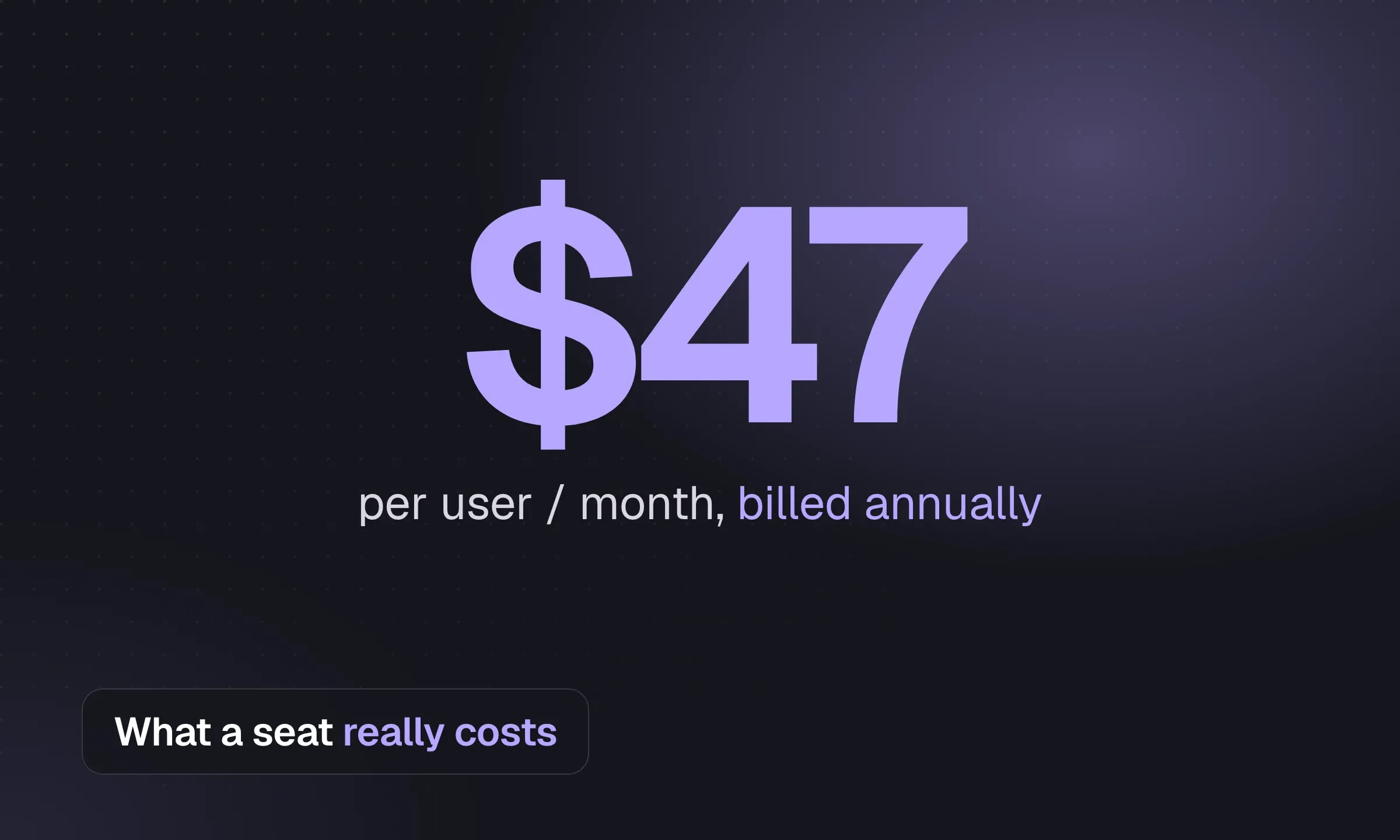
Longlist Growth is $47 per user per month billed annually, or $59 billed monthly, and includes both the CRM and the ATS. Compare plans or book a demo with a live brief from your agency.
Disclosure: Longlist publishes this guide.